

Abdominal Injuries After a Car Accident: Hidden Symptoms and Medical Risks

Car accidents often cause injuries that are immediately visible, such as broken bones or cuts. However, some of the most serious injuries may not show obvious symptoms right away. Abdominal injuries after a car accident are particularly concerning because they can involve internal organs and internal bleeding that may not be immediately apparent.
For accident victims in Pittsburgh and throughout Pennsylvania, abdominal trauma can become life-threatening if it is not diagnosed and treated quickly. Symptoms sometimes develop hours or even days after a crash, which can cause victims to underestimate the severity of their condition.
Understanding how abdominal injuries occur, recognizing the warning signs, and seeking prompt medical evaluation can be critical for protecting both health and legal rights after a motor vehicle collision.
How Car Accidents Cause Abdominal Injuries
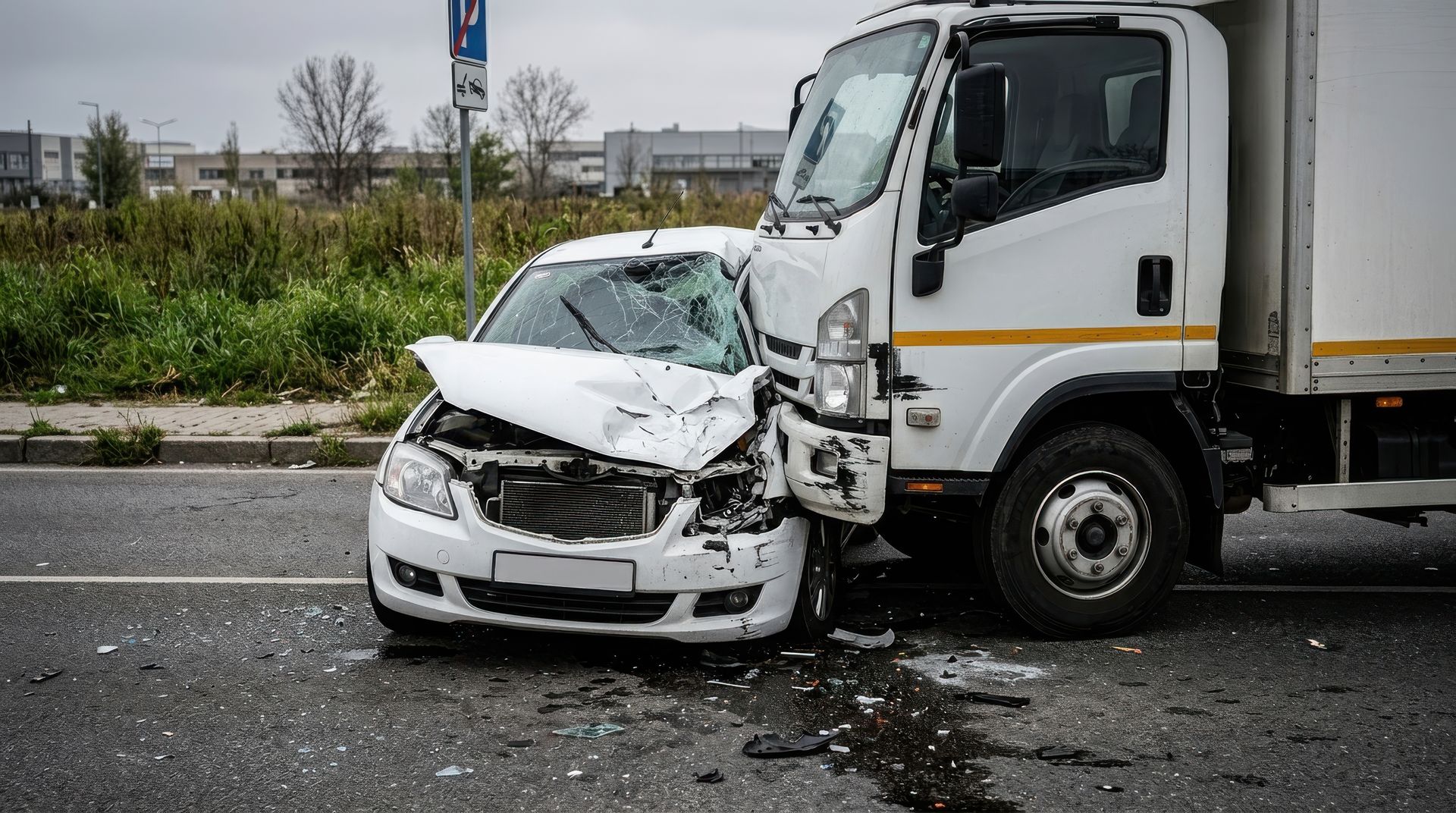
During a crash, the body is exposed to sudden deceleration forces. Even when a driver or passenger is wearing a seat belt, the impact can place significant pressure on the abdomen. Steering wheels, dashboards, seat belts, and airbags may all compress the torso during a collision.
This force can damage internal organs such as the liver, spleen, intestines, or kidneys. In some cases, blunt force trauma may also cause internal bleeding or ruptures in blood vessels.
Seat belts, while lifesaving, are often associated with abdominal trauma because they hold the body firmly in place during impact. The pressure of the belt across the abdomen can cause bruising, internal organ damage, or injuries to the abdominal wall.
These injuries are often referred to as seat belt syndrome, a term used by medical professionals to describe internal injuries that occur when the seat belt restrains the body during a crash.
Types of Abdominal Injuries That Can Occur After a Crash
Abdominal trauma can involve several different organs and structures inside the body. The severity of these injuries varies widely depending on the force of the impact and the position of the occupants during the collision.
Some injuries may involve bruising or inflammation that resolves with treatment, while others can require emergency surgery. Internal bleeding is particularly dangerous because it may progress rapidly without obvious external symptoms.
Common abdominal injuries associated with car accidents include:
- Internal bleeding caused by ruptured blood vessels or organ damage
- Injuries to organs such as the liver, spleen, kidneys, or intestines
- Abdominal wall injuries or deep muscle bruising
- Seat belt injuries resulting from pressure across the abdomen
Because the abdomen contains several vital organs, even seemingly minor trauma should be evaluated carefully by medical professionals.
Hidden Symptoms That May Appear After a Car Accident
One of the most dangerous aspects of abdominal injuries is that symptoms may not appear immediately after a crash. Some victims feel relatively normal in the hours following the collision, only to develop serious symptoms later as internal bleeding or swelling progresses.
Adrenaline released during a traumatic event can temporarily mask pain, making it difficult for victims to recognize that an injury has occurred.
Over time, however, symptoms may become more noticeable as inflammation increases or internal bleeding worsens. Pain or discomfort in the abdomen may gradually intensify, and additional symptoms may begin to appear.
Signs that may indicate a serious abdominal injury include:
- Persistent or worsening abdominal pain
- Nausea or vomiting after the crash
- Dizziness, weakness, or fainting
- Visible bruising across the abdomen or lower chest
These symptoms should always be treated as potential medical emergencies. Delaying treatment can allow internal bleeding to worsen and increase the risk of severe complications.
Why Early Diagnosis Is Critical
Prompt diagnosis is essential when abdominal trauma is suspected after a car accident. Internal injuries may progress quickly, and untreated bleeding can become life-threatening.
Emergency physicians often use imaging tests such as CT scans, ultrasounds, or X-rays to evaluate the abdomen after a collision. These tests allow doctors to detect internal bleeding, organ damage, or structural injuries that cannot be seen externally.
In some cases, patients may be admitted to the hospital for observation to monitor their condition. Even if initial imaging appears normal, physicians may continue to monitor symptoms to ensure that hidden injuries do not develop later.
Early diagnosis not only improves the chances of successful medical treatment but also provides important documentation for accident-related injury claims.
Treatment Options for Abdominal Injuries
Treatment for abdominal trauma depends on the severity of the injury and the organs affected. Minor injuries may be treated with rest, monitoring, and pain management, while more serious conditions may require surgical intervention.
Doctors often prioritize stabilizing the patient and preventing further internal bleeding. Treatment plans may vary widely depending on the nature of the injury and the patient’s overall health.
Common treatments for abdominal injuries after a car accident may include:
- Hospital monitoring to observe symptoms and detect complications
- Imaging tests to evaluate internal organs and bleeding
- Surgical procedures to repair damaged organs or blood vessels
- Medication to manage pain and prevent infection
Recovery times vary depending on the severity of the trauma. Some patients recover within several weeks, while others may require months of rehabilitation and medical care.
How Abdominal Injuries Affect Personal Injury Claims
Abdominal injuries can significantly influence the value of a personal injury claim because they often involve serious medical complications and extensive treatment. Internal injuries may require hospitalization, surgery, and long-term monitoring, all of which can create substantial medical expenses.
In Pennsylvania, accident victims may seek compensation when another driver’s negligence causes a collision that results in injury. Damages in these cases may include medical costs, lost wages, and compensation for pain and suffering.
Internal injuries can be particularly important in injury claims because they may not be immediately visible. Insurance companies sometimes attempt to argue that delayed symptoms are unrelated to the accident.
Thorough medical documentation is therefore critical. Medical records, imaging results, and physician evaluations can help establish the connection between the crash and the internal injury.
Pennsylvania’s Choice No-Fault Insurance System
Pennsylvania operates under a choice no-fault insurance system, which allows drivers to select either limited tort or full tort coverage when purchasing auto insurance.
Limited tort coverage restricts the ability to recover compensation for pain and suffering unless the injury meets the legal definition of a serious injury. Full tort coverage allows accident victims to pursue non-economic damages regardless of injury severity.
Serious internal injuries, including those requiring surgery or hospitalization, often qualify as serious injuries under Pennsylvania law. This classification can allow victims to pursue compensation for pain, suffering, and long-term impacts on their lives.
Understanding the type of insurance coverage involved in a case is an important step in evaluating potential legal options.
Pennsylvania’s Statute of Limitations for Injury Claims
Pennsylvania law generally allows accident victims two years from the date of the crash to file a personal injury lawsuit.
This legal deadline is known as the statute of limitations. If a claim is not filed within this period, the injured individual may lose the ability to pursue compensation through the courts.
Because internal injuries may take time to diagnose, accident victims are often encouraged to seek legal guidance as soon as possible. Early legal consultation allows attorneys to gather medical evidence, investigate the accident, and protect the victim’s rights.
Frequently Asked Questions About Abdominal Injuries After a Car Accident
Can a car accident cause internal abdominal injuries?
Yes. Blunt force trauma from a collision can damage internal organs, blood vessels, and abdominal tissues, even if there are no visible external injuries.
How long after a car accident can abdominal pain appear?
Symptoms may develop immediately or appear hours or days later as inflammation or internal bleeding progresses.
What organs are most commonly injured in abdominal trauma?
The liver, spleen, intestines, and kidneys are among the organs most frequently affected in vehicle collision injuries.
Should I see a doctor if my stomach hurts after a crash?
Yes. Any abdominal pain following a car accident should be evaluated by a medical professional to rule out internal injuries.
Can internal injuries increase a personal injury settlement?
Yes. Serious internal injuries often require extensive treatment and may significantly increase the value of an injury claim.
Protecting Your Health and Legal Rights After a Crash
Abdominal injuries are among the most serious yet overlooked consequences of car accidents. Because symptoms may develop slowly, many accident victims initially underestimate the severity of their condition. However, untreated internal injuries can quickly become dangerous and may require emergency medical care.
Seeking medical evaluation after a collision is one of the most important steps an accident victim can take. Early diagnosis allows doctors to identify internal injuries before complications worsen and ensures that proper treatment can begin immediately.
For individuals in Pittsburgh and throughout Pennsylvania, understanding the legal implications of accident-related injuries is also essential. When negligence causes a crash, injured victims may have the right to pursue compensation for medical expenses, lost income, and the physical and emotional impact of their injuries.
Frischman & Rizza have extensive experience representing individuals injured in motor vehicle accidents across Pennsylvania. Their
legal team works closely with medical experts and investigators to build strong cases for clients who have suffered serious injuries. By advocating aggressively for accident victims, the firm helps ensure that injured individuals receive the compensation they need to recover and move forward after a crash.