

Rainy Weather Car Accidents in Pittsburgh: How Fault Is Proven
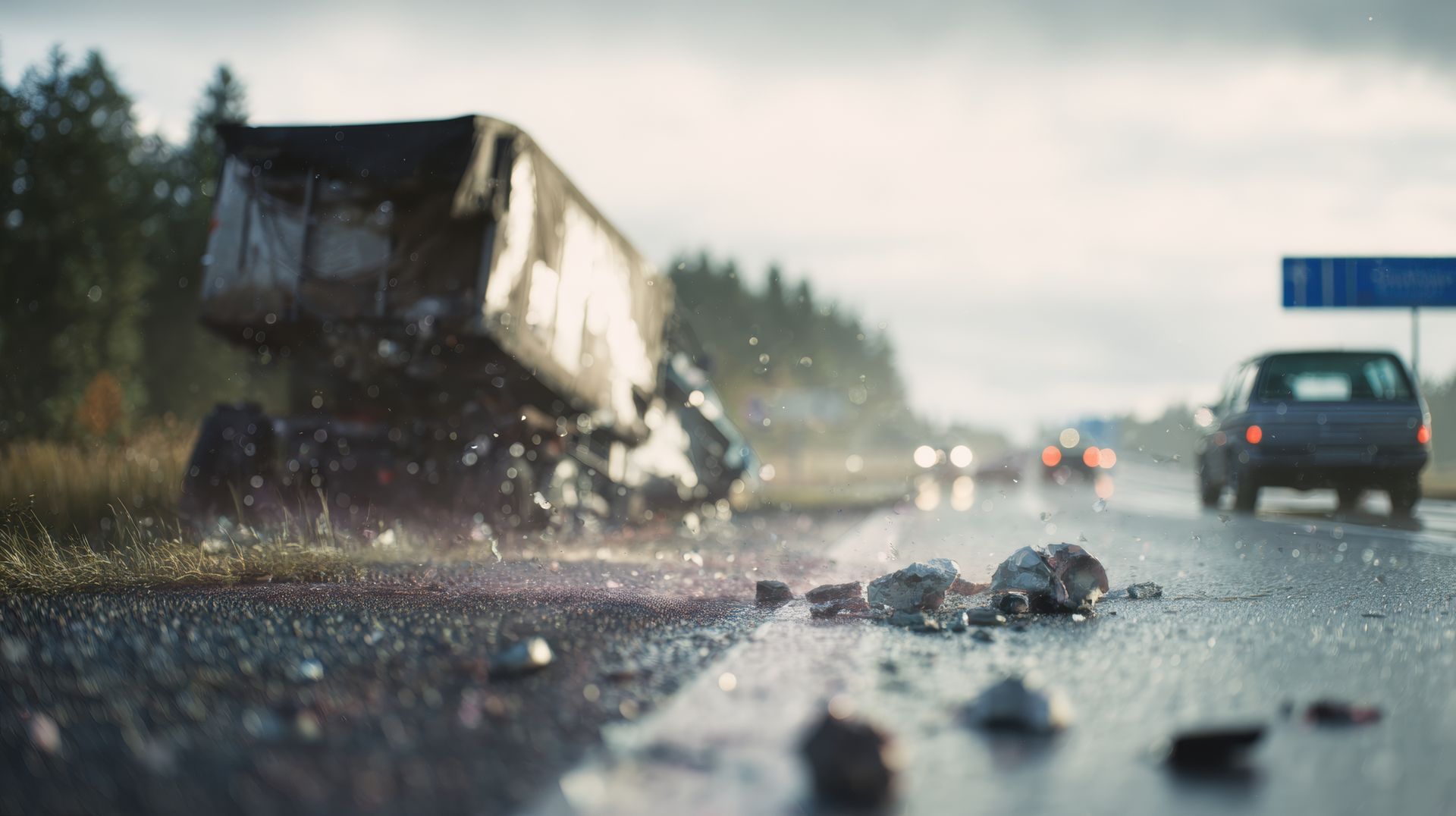
As summer transitions into fall, Pittsburgh drivers face some of the most dangerous roadway conditions of the year. Heavy rainstorms, wet pavement, fog, reduced daylight, and congested commuter traffic all contribute to a noticeable increase in car accidents throughout western Pennsylvania during early fall. Rainy weather may seem routine, but slick roads and poor visibility dramatically increase stopping distances, reduce driver reaction times, and make serious crashes far more likely. According to the Pennsylvania Department of Transportation (PennDOT), wet roadway conditions contribute to thousands of crashes across the state every year, including many collisions involving catastrophic injuries and fatalities. Pittsburgh’s steep hills, sharp curves, tunnels, bridges, and crowded highways create additional challenges during rainy weather, especially on routes such as Interstate 376, I-79, Route 28, and the Pennsylvania Turnpike.
Frischman & Rizza help accident victims understand how liability is determined after rainy weather crashes and how evidence may be used to prove fault under Pennsylvania law. Whether the accident involved hydroplaning, a multi-vehicle pileup, a commercial truck, or a rear-end collision during heavy rain, understanding how fault is proven can help injured victims protect their rights and pursue compensation after a serious accident.
Why Rainy Weather Causes More Accidents in Pittsburgh
Rain creates hazardous driving conditions almost immediately, especially after dry periods when oil, dirt, and debris accumulate on road surfaces. Once rain begins falling, these substances mix with water and create extremely slippery pavement conditions that reduce tire traction and increase the risk of losing vehicle control.
Several factors contribute to increased rainy weather accidents in Pittsburgh:
- Reduced tire traction on wet pavement
- Hydroplaning at higher speeds
- Poor visibility during storms or fog
- Longer stopping distances
- Congested traffic during rush hours
- Drivers failing to reduce speed
- Worn tires or poor vehicle maintenance
- Limited visibility around large trucks
According to the National Highway Traffic Safety Administration (NHTSA), wet roads contribute to a substantial percentage of weather-related crashes every year. Many drivers underestimate how significantly rain affects braking distances and vehicle handling. Even moderate rainfall can make highways dangerous when drivers continue traveling at normal speeds.
Hydroplaning is one of the most dangerous rainy weather driving hazards. Hydroplaning occurs when tires lose direct contact with the roadway because water builds beneath the vehicle. When this happens, drivers may temporarily lose steering and braking control entirely. High-speed highways and roads with standing water become especially dangerous during heavy rainfall.
Pittsburgh’s geography also contributes to increased accident risks during rainy weather. Steep inclines, narrow bridges, construction zones, tunnels, and sharp curves create conditions where vehicles can lose traction quickly. Rainwater pooling near tunnels or low-lying roadways may further increase hydroplaning risks. Visibility challenges become even more severe during nighttime rainstorms when headlights reflect off wet pavement and glare reduces driver reaction time.
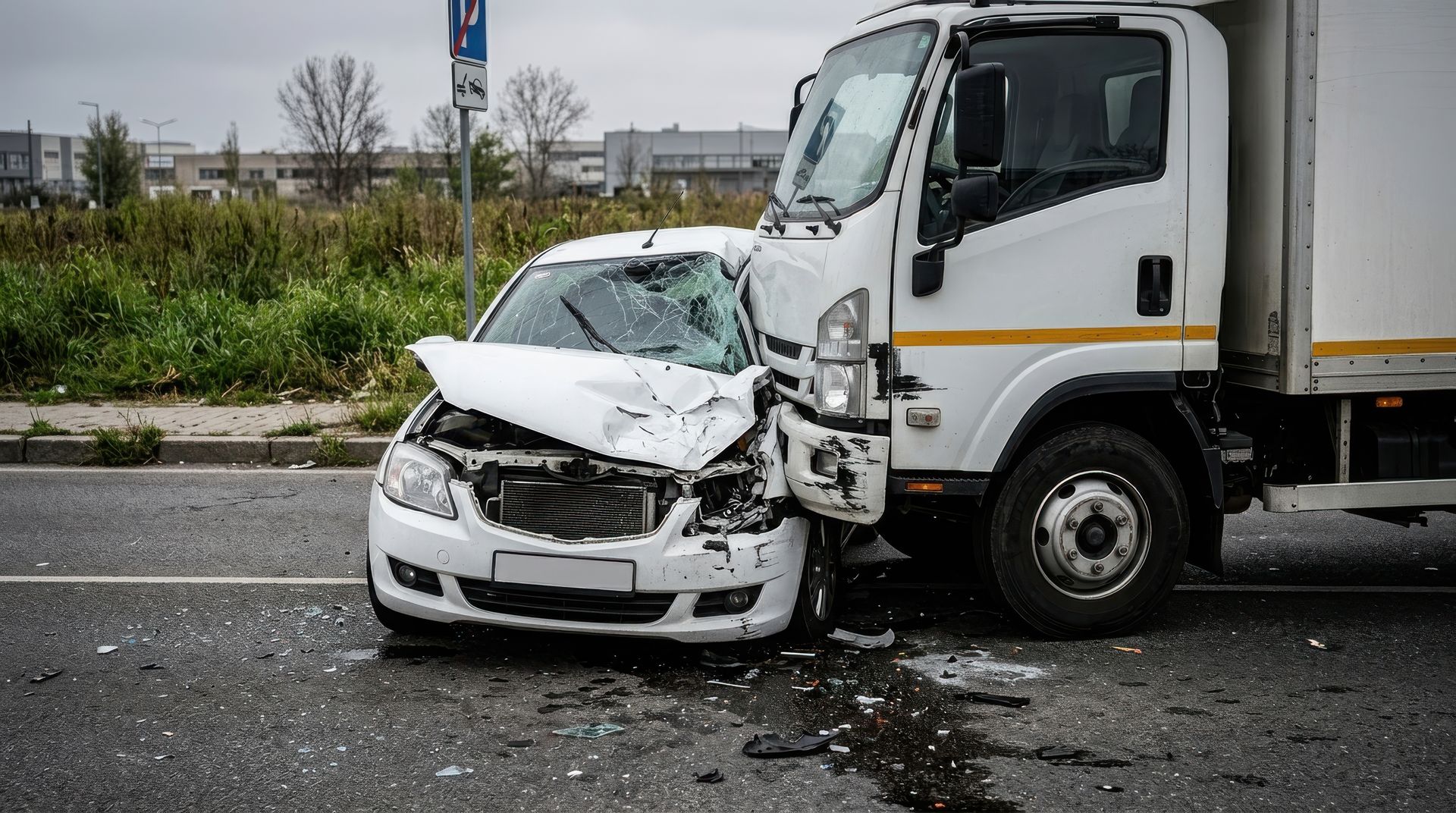
Commercial trucks become particularly hazardous during wet weather because larger vehicles require longer stopping distances and may jackknife on slick roads. Delivery trucks and tractor-trailers operating on congested Pittsburgh highways during storms can trigger devastating chain-reaction accidents involving multiple vehicles.
Common types of rainy weather crashes include:
- Rear-end collisions
- Multi-vehicle pileups
- Hydroplaning accidents
- Truck jackknife crashes
- Intersection collisions
- Loss-of-control accidents
- Lane-change and merging crashes
Because rainy weather accidents often involve several contributing factors, determining fault can become far more complicated than many drivers expect. Insurance companies frequently dispute liability in weather-related crashes, making evidence collection especially important after serious collisions.
How Fault Is Determined After a Rainy Weather Accident
Many drivers mistakenly believe that poor weather automatically excuses liability after a crash. However, Pennsylvania law still requires motorists to operate vehicles safely under existing road and weather conditions. Drivers are expected to adjust speed, following distance, braking behavior, and overall driving habits when rain creates hazardous conditions.
Under Pennsylvania negligence law, fault is typically determined by examining whether a driver acted reasonably under the circumstances. Even during severe rainstorms, drivers may still be held responsible if they fail to drive cautiously or violate traffic laws.
Common examples of negligence during rainy weather include:
- Driving too fast on a wet road
- Following other vehicles too closely
- Failing to use headlights in the rain
- Distracted driving in reduced visibility
- Unsafe lane changes on slick roads
- Driving with worn tires or faulty brakes
- Aggressive driving during storms
Pennsylvania follows a comparative negligence system, meaning more than one driver may share fault for an accident. If an injured victim is found partially responsible for the crash, compensation may be reduced according to their percentage of fault. However, victims may still recover damages as long as they are less than 51% responsible for the collision.
Insurance companies often use comparative negligence arguments aggressively after rainy weather crashes. For example, insurers may argue that an injured driver was traveling too fast for conditions, failed to maintain a safe following distance, or contributed to the accident by braking suddenly on wet roads. Victims should be cautious when navigating insurance conversations after a crash, since adjusters may use early statements against them.
Important evidence used to prove fault in rainy weather accident claims may include:
- Police accident reports
- Witness statements
- Surveillance or dashcam footage
- Photos of roadway conditions
- Vehicle black box data
- Tire condition and maintenance records
- Weather reports and traffic camera footage
- Accident reconstruction analysis
Accident reconstruction experts are often used in serious rainy weather cases involving disputed liability or catastrophic injuries. These professionals analyze skid marks, impact angles, road conditions, weather data, and vehicle movement patterns to determine how the crash occurred.
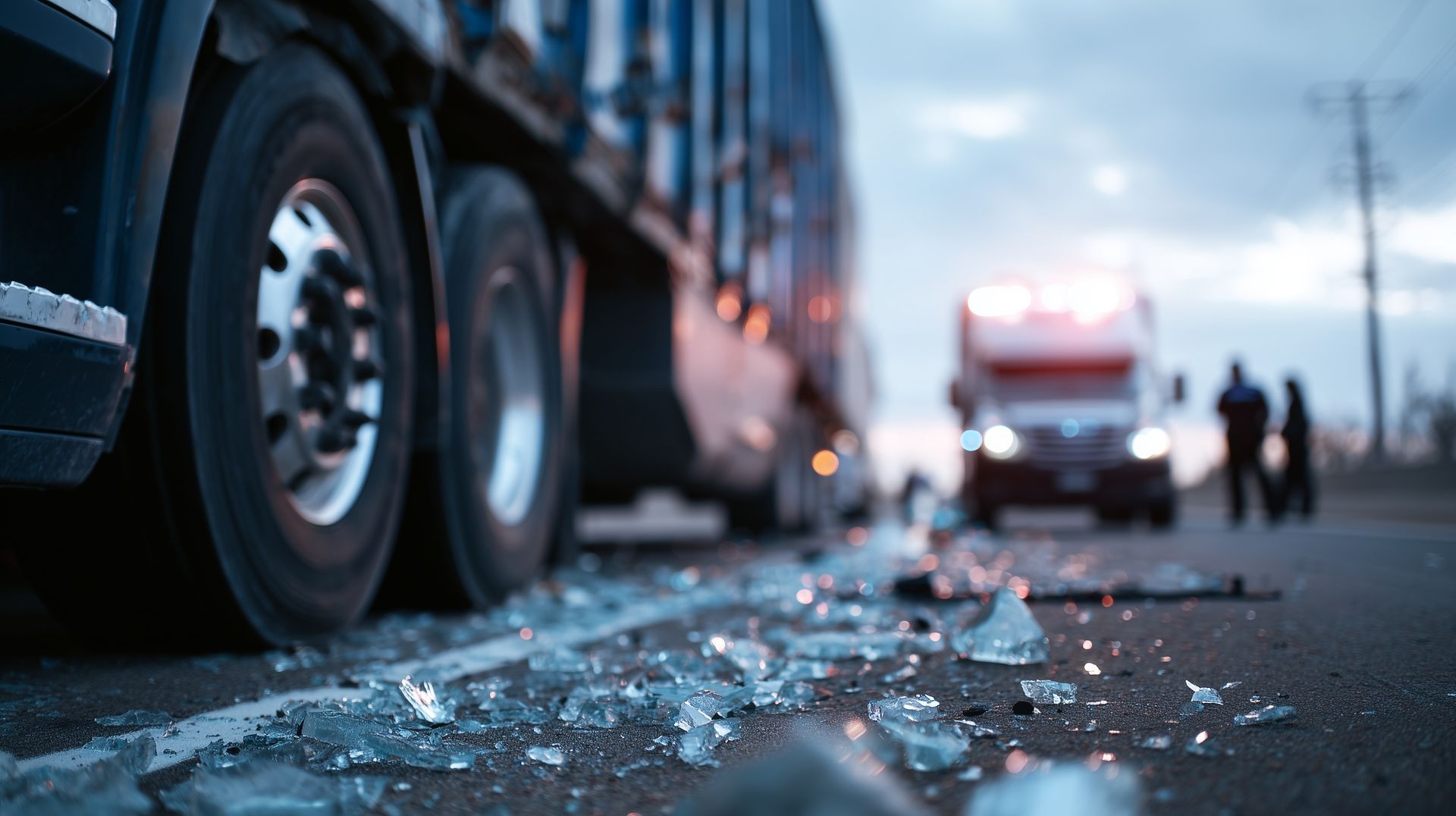
Commercial truck accidents may involve additional evidence such as driver logbooks, maintenance records, GPS tracking data, and electronic logging device (ELD) information. Trucking companies and commercial insurers often investigate crashes immediately after they occur to protect their financial interests, making prompt evidence preservation critical.
Frischman & Rizza assists Pennsylvania accident victims by conducting detailed investigations designed to establish fault clearly and challenge unfair blame-shifting tactics used by insurance companies after rainy weather collisions.
Rainy Weather Truck Accidents and Comparative Negligence
Truck accidents during rainy weather are often especially severe because of the size and weight of commercial vehicles. Fully loaded tractor-trailers may weigh up to 80,000 pounds and require substantially more distance to stop safely on wet roads. If truck drivers fail to reduce speed appropriately during storms, devastating collisions can occur within seconds.
Common causes of rainy weather truck accidents include:
- Excessive speed for road conditions
- Jackknifing on wet pavement
- Driver fatigue or distraction
- Poorly maintained brakes or tires
- Improper cargo loading
- Unsafe lane changes in heavy rain
According to the Federal Motor Carrier Safety Administration (FMCSA), commercial trucking companies must comply with federal safety regulations involving vehicle maintenance, driver qualifications, and hours-of-service limits. Violations of these regulations may strengthen injury claims significantly when trucking negligence contributes to rainy weather crashes.
Pennsylvania comparative negligence laws often become major issues in truck accident claims. Commercial insurers frequently attempt to shift partial blame onto passenger vehicle drivers to reduce settlement payouts. For example, insurers may argue that another driver cut in front of the truck, followed too closely, or failed to react properly during slippery conditions— a dynamic that makes truck accident claims more complex than standard car accident claims.
Because commercial truck accidents often involve catastrophic injuries, insurers aggressively defend these claims. Victims may suffer:
- Traumatic brain injuries (TBI)
- Spinal cord injuries
- Broken bones and orthopedic trauma
- Internal bleeding and organ damage
- Severe burns or disfigurement
- Emotional trauma and PTSD
- Permanent disability or paralysis
The long-term costs associated with these injuries may include surgeries, rehabilitation, physical therapy, reduced earning capacity, future medical care, and lifelong disability accommodations. Strong evidence and expert analysis often become essential when pursuing compensation after severe rainy weather truck accidents.
Protecting Your Rights After a Rainy Weather Accident
The aftermath of a rainy weather accident can quickly become overwhelming for injured victims and their families. Medical treatment, vehicle damage, lost wages, and insurance disputes create significant stress while victims attempt to recover physically and emotionally. Taking the right steps after a crash can help protect both health and legal rights.
Important actions after a Pittsburgh rainy weather accident include:
- Seek immediate medical attention
- Call law enforcement and obtain a crash report
- Photograph vehicles and roadway conditions
- Preserve witness contact information
- Follow all medical treatment recommendations
- Avoid discussing fault with insurers
- Contact a Pennsylvania accident lawyer promptly
Prompt medical evaluation is especially important because some injuries may not present immediate symptoms after a collision. Conditions such as traumatic brain injuries, spinal damage, and internal bleeding may worsen over time if left untreated. Medical records also create important documentation connecting injuries directly to the accident, and victims often benefit from understanding strategies for coping with trauma after an accident alongside their legal recovery.
Insurance companies frequently contact victims quickly after rainy weather accidents and may request recorded statements before the full extent of injuries becomes clear. Early settlement offers often fail to account for long-term medical expenses, rehabilitation needs, emotional trauma, or future lost income.
Pennsylvania law allows accident victims to pursue compensation for:
- Emergency medical expenses
- Surgery and rehabilitation costs
- Lost wages and earning capacity
- Pain and suffering damages
- Emotional distress compensation
- Future medical treatment needs
- Property damage losses
Frischman & Rizza helps Pittsburgh accident victims investigate rainy weather crashes, preserve critical evidence, negotiate with insurance companies, and pursue compensation for injuries and financial losses. While poor weather conditions may contribute to accidents, negligent drivers and trucking companies may still be held accountable when unsafe behavior causes serious harm.
Frequently Asked Questions
Can drivers still be at fault during rainy weather accidents?
Yes. Pennsylvania drivers must adjust their driving behavior for weather conditions. Speeding, distracted driving, or following too closely in the rain may still establish negligence.
What is comparative negligence in Pennsylvania?
Comparative negligence allows injured victims to recover compensation if they were less than 51% responsible for the accident, though compensation may be reduced by their percentage of fault.
What evidence helps prove fault after a rainy weather accident?
Helpful evidence includes police reports, surveillance footage, photos of road conditions, witness statements, black box data, and accident reconstruction analysis.
Why are truck accidents more dangerous during rainy weather?
Commercial trucks require longer stopping distances and are more likely to jackknife or lose control on wet roads due to their size and weight.
Should I contact a lawyer after a Pittsburgh rainy weather accident?
Yes. Rain-related accident claims often involve disputed liability and comparative negligence arguments. Legal guidance can help protect evidence and compensation rights.
If you were injured in a rainy weather car or truck accident in Pittsburgh,
Frischman & Rizza can help you understand your legal rights and pursue compensation for your injuries and financial losses. Early legal action can make a significant difference in preserving evidence and protecting your future after a serious wet-road collision.