

Eye Injuries After a Car Accident: Vision Damage and Legal Options

Car accidents can cause a wide range of injuries, but eye injuries are among the most serious and potentially life-altering. Even a relatively minor collision can expose drivers and passengers to forces capable of damaging the delicate structures of the eye. In some cases, these injuries may lead to permanent vision loss, chronic pain, or long-term visual impairment.
For victims in Pittsburgh and across Pennsylvania, eye injuries caused by car accidents can affect nearly every aspect of daily life. Vision is critical for driving, working, reading, and maintaining independence. When vision is impaired after a crash, recovery often involves complex medical treatment and significant lifestyle adjustments.
Understanding how eye injuries occur in car accidents, the symptoms that require medical attention, and the legal options available to victims can help individuals protect both their health and their legal rights following a collision.
How Car Accidents Can Cause Eye Injuries
The human eye is highly sensitive and vulnerable to trauma. During a car accident, sudden deceleration and impact forces can cause injuries to the eyes even if there is no direct contact with an object.
In many collisions, the head and upper body move forward rapidly before the seat belt restrains the body. This sudden movement can cause the face to strike the steering wheel, dashboard, window, or airbag. Even when airbags deploy properly, the force of deployment can cause blunt trauma to the face and eyes.
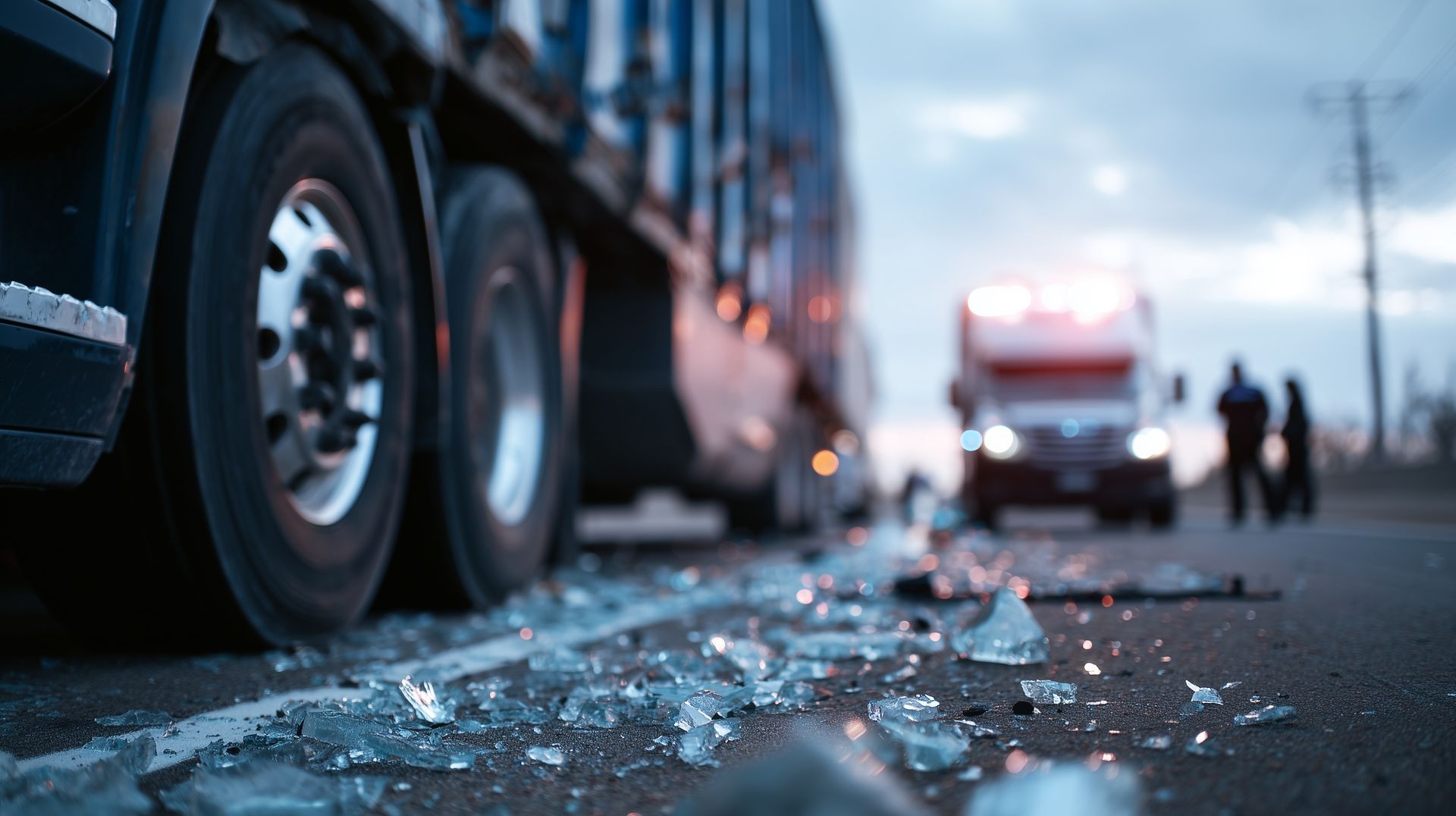
Broken glass from windshields or side windows may also cause eye injuries during a crash. Small shards of glass can penetrate the eye or surrounding tissue, leading to severe damage.
Debris inside the vehicle can also become airborne during the impact, creating additional hazards. In some cases, objects such as phones, loose tools, or interior components may strike the face and cause eye trauma.
Because the eye contains delicate structures responsible for vision, even small injuries can have serious consequences if not treated quickly.
Types of Eye Injuries Seen After Car Accidents
Eye injuries after a car accident can vary widely in severity. Some injuries involve temporary irritation or minor trauma, while others may result in permanent vision loss.
Blunt trauma injuries occur when the eye is struck by an object or impacted during a crash. These injuries can damage the outer structures of the eye or cause internal bleeding within the eye.
Penetrating injuries occur when foreign objects such as glass or metal enter the eye. These injuries often require emergency medical treatment and surgery.
Another serious injury is retinal detachment, which occurs when the retina separates from the back of the eye. This condition can develop after blunt force trauma and may lead to permanent vision loss if not treated promptly.
Common eye injuries associated with car accidents include:
- Corneal abrasions or scratches on the eye’s surface
- Retinal detachment or internal bleeding in the eye
- Penetrating injuries caused by glass or debris
Some victims may also develop traumatic optic nerve injuries, which affect the nerve responsible for transmitting visual signals to the brain.
Because eye injuries can worsen rapidly, early diagnosis and treatment are essential.
Symptoms of Eye Trauma After a Crash
Not all eye injuries produce immediate symptoms. In some cases, vision problems may appear hours or days after a car accident.
Victims should pay close attention to any unusual changes in vision or eye comfort following a crash. Symptoms may indicate damage to the eye itself or to surrounding structures that support vision.
Possible warning signs of eye injuries include:
- Blurred or double vision
- Sensitivity to light
- Eye pain or pressure
Other symptoms may include swelling around the eye, visible blood in the white portion of the eye, or sudden difficulty focusing. Some individuals may experience flashes of light or dark spots in their field of vision, which can signal retinal damage.
Any of these symptoms should be evaluated by a medical professional as soon as possible. Prompt treatment can prevent additional damage and improve the chances of preserving vision.
Diagnosing Eye Injuries After a Car Accident
Medical evaluation of eye injuries typically begins with a comprehensive examination by an ophthalmologist or emergency physician. Doctors may use specialized instruments to examine the structures of the eye and determine whether trauma has occurred.
Vision tests are often performed to measure visual acuity and determine whether the injury has affected the patient’s ability to see clearly.
Advanced imaging tests may also be necessary in more serious cases. CT scans or other diagnostic tools can help doctors detect fractures around the eye socket or identify internal bleeding.
Because some injuries develop gradually, patients may require follow-up examinations in the days or weeks following the accident. Continued monitoring allows doctors to detect complications that may not have been immediately visible.
Treatment Options for Eye Injuries
Treatment for eye injuries depends on the type and severity of the damage. Minor injuries such as corneal abrasions may heal with medication and protective eye care.
More severe injuries often require specialized treatment or surgery to preserve vision. Doctors may prescribe medications to reduce inflammation, prevent infection, or control pressure within the eye.
Serious eye trauma may require procedures such as:
- Surgical repair of damaged eye structures
- Removal of foreign objects from the eye
- Laser procedures to repair retinal damage
Recovery times vary depending on the extent of the injury. Some individuals recover fully, while others may experience permanent visual impairment or require ongoing treatment.
In cases involving severe trauma, victims may need long-term care from vision specialists and rehabilitation professionals. The rehabilitation costs after a motor vehicle accident can be substantial and should be accounted for when evaluating a claim.
Long-Term Impact of Vision Loss
Vision loss can significantly affect a person’s ability to perform everyday tasks. Activities such as driving, reading, working with computers, and navigating unfamiliar environments may become difficult or impossible.
For individuals whose careers depend on strong visual abilities, an eye injury can also result in lost income or the inability to continue working in the same profession.
Beyond the physical challenges, vision loss may also lead to emotional distress. Many accident victims experience anxiety, frustration, or depression as they adjust to changes in their eyesight.
Because of these long-term effects, eye injuries are often considered serious injuries in personal injury claims.
Pennsylvania’s Choice No-Fault Insurance System
Pennsylvania follows a choice no-fault insurance system, which allows drivers to select either limited tort or full tort coverage when purchasing auto insurance.
Limited tort coverage restricts the ability to recover compensation for pain and suffering unless the injury meets the legal definition of a serious injury. Full tort coverage allows victims to pursue compensation for pain and suffering regardless of injury severity.
Serious eye injuries, especially those involving permanent vision loss or significant impairment, may qualify as serious injuries under Pennsylvania law.
Understanding which type of insurance coverage applies can affect the damages that may be available in a personal injury claim.
Compensation for Eye Injuries After a Car Accident
Compensation in personal injury cases is designed to help victims recover the financial and personal losses caused by an accident.
In cases involving eye injuries, damages may include medical expenses related to treatment, surgery, and rehabilitation. Victims may also recover compensation for lost wages if the injury prevents them from working.
Additional compensation may be available for long-term disabilities or permanent vision impairment.
Factors that may influence compensation include:
- The severity of the vision loss or eye injury
- The cost of medical treatment and ongoing care
- The impact of the injury on employment and daily life
Medical records, expert testimony from ophthalmologists, and documentation of the accident can all play a role in determining the value of a claim. Knowing what to do after a motor vehicle accident from the outset can help ensure that critical evidence is preserved.
Pennsylvania’s Statute of Limitations for Injury Claims
Pennsylvania law generally requires car accident injury claims to be filed within two years from the date of the accident.
This deadline is known as the statute of limitations. If a lawsuit is not filed within this time period, the injured person may lose the opportunity to seek compensation through the courts.
Because eye injuries can involve long-term treatment and evolving symptoms, accident victims often benefit from seeking legal advice early. Early investigation allows attorneys to gather evidence and document the full impact of the injury.
Frequently Asked Questions About Eye Injuries After Car Accidents
Can a car accident cause permanent vision loss?
Yes. Severe eye trauma, retinal detachment, or optic nerve damage from a collision can lead to permanent vision loss.
What should I do if my vision changes after a car accident?
Any change in vision should be evaluated by a medical professional immediately to prevent further damage.
Can eye injuries increase the value of a personal injury claim?
Yes. Injuries that cause vision impairment or require extensive medical treatment often increase the potential value of a claim.
How soon should I see a doctor for an eye injury after a crash?
Medical evaluation should occur as soon as possible after symptoms appear to ensure proper diagnosis and treatment.
Are eye injuries considered serious injuries under Pennsylvania law?
Yes. Permanent vision impairment or significant eye trauma may qualify as a serious injury under Pennsylvania personal injury law.
Protecting Your Health and Legal Rights After a Car Accident
Eye injuries can have lasting consequences that extend far beyond the initial accident. Because vision is essential for independence and daily activities, even partial vision loss can significantly impact a person’s life.
Prompt medical attention is critical when eye injuries occur. Early diagnosis and treatment can help preserve vision and prevent complications.
Accurate medical documentation also plays an important role when pursuing compensation after a crash. Medical records, imaging results, and physician evaluations help demonstrate how the injury occurred and how it affects the victim’s life. Understanding how to navigate insurance after a car accident can further support victims during the claims process.
Frischman & Rizza represent individuals throughout Pittsburgh and across Pennsylvania who have suffered serious injuries due to negligent drivers. By carefully evaluating the circumstances of each accident and working with medical experts, the firm helps injured individuals pursue compensation for medical costs, lost income, and the long-term impact of serious injuries.