

What Causes Chain-Reaction Accidents During Summer Travel Season?
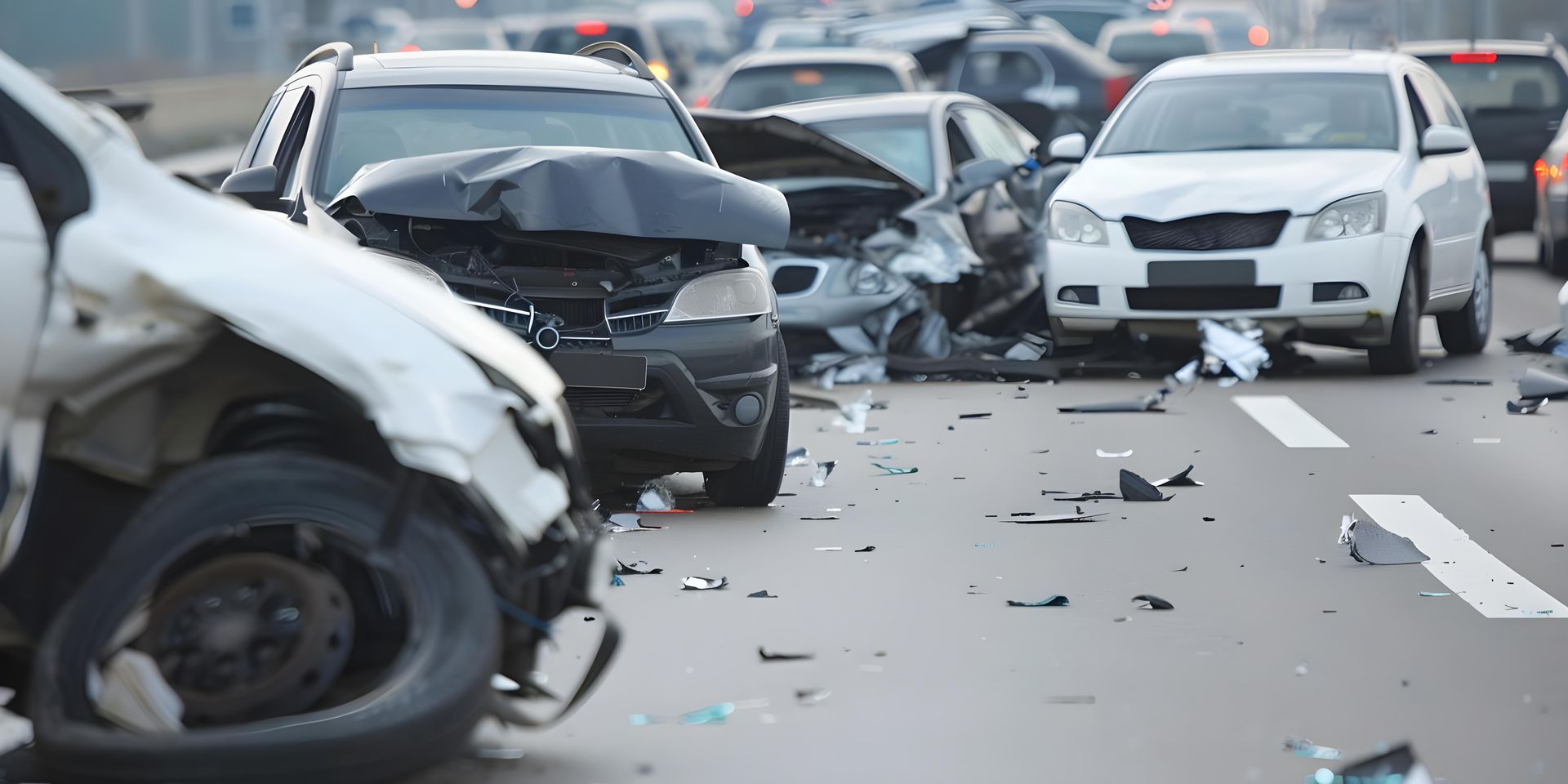
The summer travel season brings heavier traffic, crowded highways, road construction, vacation drivers, and increased crash risks across Pennsylvania. From Fourth of July travel surges to weekend trips through Pittsburgh, Philadelphia, the Pocono Mountains, and the Pennsylvania Turnpike, roadways become significantly more congested during the summer months. Unfortunately, this increase in traffic volume often leads to a rise in chain-reaction accidents, also known as multi-vehicle pileups. These crashes can involve three, four, or even dozens of vehicles, depending on roadway conditions and traffic speed. Chain-reaction collisions are among the most complicated types of car accidents because multiple drivers, insurance companies, and contributing factors may all play a role in determining liability.
Victims involved in these crashes often suffer serious injuries, extensive vehicle damage, and confusion about who is legally responsible. Frischman & Rizza helps Pennsylvania accident victims understand how fault is determined after multi-vehicle crashes and what legal options may be available for pursuing compensation. Whether the accident occurred during holiday travel, heavy vacation congestion, or severe summer weather conditions, understanding the causes of chain-reaction accidents can help drivers both avoid collisions and protect their legal rights after a serious crash.
Why Chain-Reaction Accidents Increase During Summer Travel
The summer travel season dramatically increases traffic density across Pennsylvania highways and local roads. Vacation travel, construction projects, sporting events, concerts, and holiday gatherings all contribute to heavier roadway congestion between Memorial Day and Labor Day. When roads become overcrowded, even a single sudden stop can quickly trigger a multi-vehicle collision involving several drivers unable to react in time.
Several common factors contribute to chain-reaction accidents during the Pennsylvania summer travel season:
- Heavy highway congestion during holiday weekends
- Distracted driving involving phones or GPS systems
- Speeding and aggressive driving behaviors
- Tailgating and unsafe following distances
- Construction zones with sudden lane changes
- Sudden braking caused by traffic slowdowns
- Fatigued drivers during long-distance travel
- Rainstorms reducing visibility and traction
According to the National Highway Traffic Safety Administration (NHTSA), rear-end collisions remain one of the most common types of motor vehicle accidents nationwide. Many chain-reaction crashes begin with one rear-end impact that forces vehicles into surrounding traffic lanes or pushes additional vehicles forward into secondary collisions. During summer travel season, highways such as I-376, I-79, I-76, Route 28, and the Pennsylvania Turnpike frequently experience stop-and-go traffic conditions that increase the likelihood of pileups.
Distracted driving plays a major role in many chain-reaction accidents. Drivers checking phones, adjusting navigation systems, changing music playlists, or talking with passengers may fail to notice sudden traffic slowdowns ahead. Even a brief delay in reaction time can trigger multiple impacts when traffic is moving at highway speeds. The Centers for Disease Control and Prevention (CDC) warns that distracted driving significantly increases crash risks because drivers lose visual, manual, and cognitive focus simultaneously.
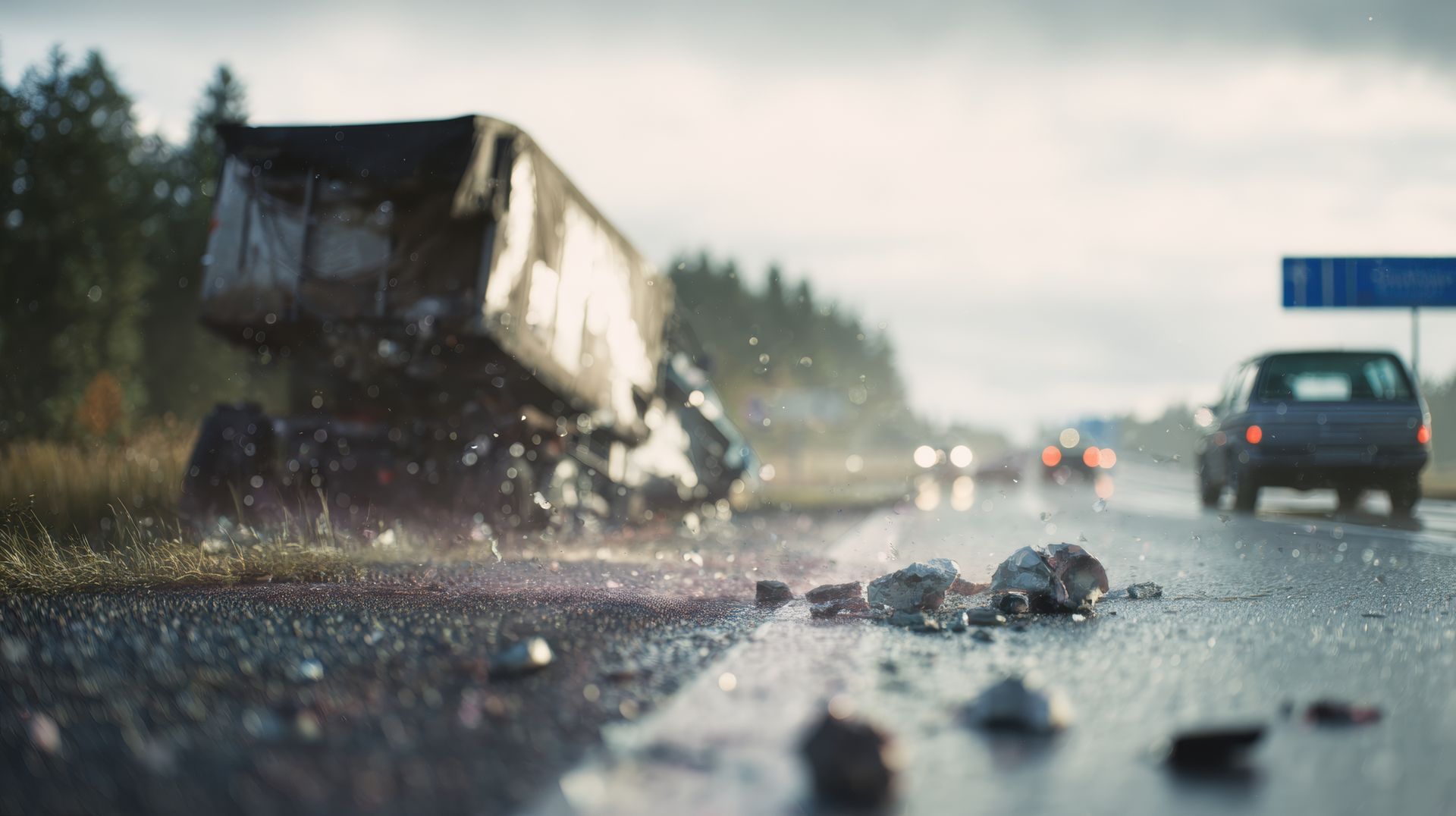
Weather conditions also contribute heavily to summer pileups. Sudden thunderstorms, heavy rain, fog, and slick pavement reduce braking ability and visibility dramatically. Hydroplaning becomes especially dangerous on congested highways where vehicles travel close together. Vacation travelers unfamiliar with Pennsylvania roads may also struggle to react safely to abrupt weather changes or complicated traffic patterns around tunnels, bridges, and construction zones.
In many cases, chain-reaction crashes involve multiple contributing factors occurring simultaneously. For example, one distracted driver braking suddenly during heavy rain may cause several following vehicles to collide in rapid succession. Determining exactly how the accident unfolded often requires detailed investigation and evidence analysis.
How Fault Is Determined in Pennsylvania Chain-Reaction Accidents
One of the most confusing aspects of a multi-vehicle crash is determining who is legally responsible. Many drivers assume the rear-most driver is automatically at fault in every chain-reaction accident, but liability is often much more complicated. Pennsylvania law requires investigators, insurance companies, and courts to evaluate each driver’s actions individually when determining negligence.
Factors commonly examined during chain-reaction accident investigations include:
- Vehicle speeds before impact
- Following distances between vehicles
- Distracted or impaired driving evidence
- Brake or mechanical failures
- Road and weather conditions
- Traffic signal or lane closure patterns
- Driver reactions before the collision
- Witness statements and surveillance footage
Pennsylvania follows a comparative negligence system, meaning multiple parties may share responsibility for the same accident. Under comparative negligence rules, injured victims may still recover compensation if they were less than 51% responsible for the crash, though compensation may be reduced based on their percentage of fault.
For example, one driver may have initiated the collision by texting while driving, while another driver may have contributed by following too closely or speeding in heavy traffic. In some situations, road construction companies, commercial trucking companies, or vehicle manufacturers may also share liability if unsafe conditions or mechanical failures contributed to the pileup.
Important evidence used in chain-reaction accident cases may include:
- Police accident reports
- Dashcam or surveillance footage
- Vehicle black box data
- Cell phone records
- Accident reconstruction analysis
- Skid mark measurements
- Witness testimony
- Photos of vehicle damage and roadway conditions
Because multiple insurance companies are often involved in pileup claims, disputes over liability can become extremely complicated. Each insurer may attempt to minimize responsibility for its driver while shifting blame onto others. Serious chain-reaction crashes frequently require accident reconstruction experts to analyze impact patterns, vehicle movement, braking distances, and roadway conditions to determine how the collision occurred.
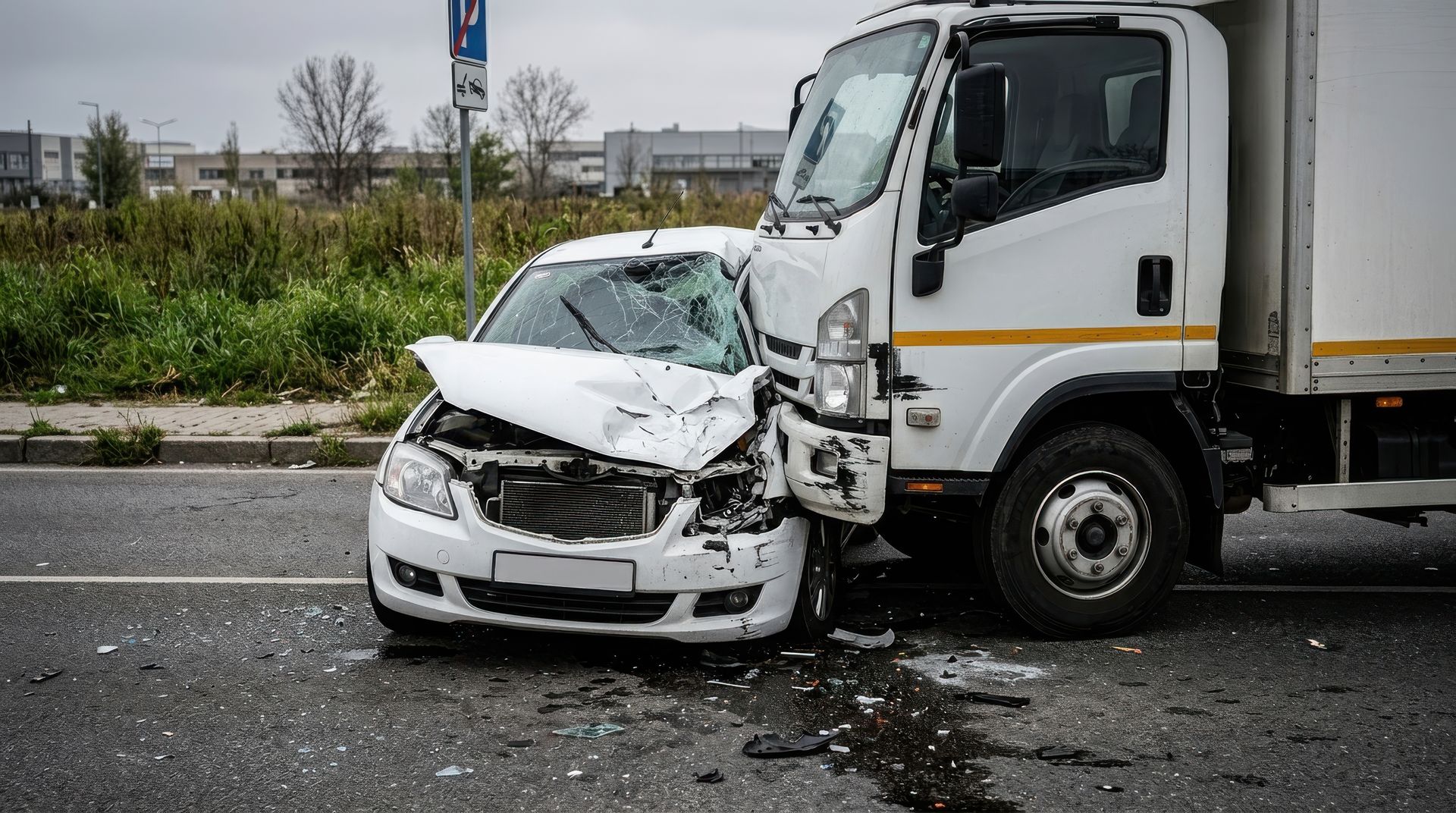
Commercial trucks are also commonly involved in chain-reaction accidents during summer travel season. Due to their size and weight, tractor-trailers require substantially longer stopping distances than passenger vehicles. When truck drivers fail to adjust speed for congestion or weather conditions, collisions can trigger devastating multi-vehicle pileups involving catastrophic injuries and fatalities.
Frischman & Rizza helps Pennsylvania accident victims investigate complex chain-reaction crashes by gathering evidence, consulting experts, and identifying all potentially liable parties. Thorough investigations often become essential when severe injuries and significant financial damages are involved.
Common Injuries in Multi-Vehicle Summer Crashes
Chain-reaction accidents often produce severe injuries because victims may experience multiple impacts from different directions within seconds. Occupants can be thrown violently forward, backward, or sideways as vehicles collide repeatedly. High-speed pileups involving commercial trucks or highway congestion frequently result in catastrophic injuries requiring extensive medical treatment and long-term rehabilitation.
Common injuries resulting from Pennsylvania chain-reaction accidents include:
- Traumatic brain injuries (TBI)
- Neck and spinal cord injuries
- Herniated discs and back injuries
- Broken bones and orthopedic trauma
- Internal bleeding and organ damage
- Severe burns or lacerations
- Psychological trauma and PTSD
- Wrongful death fatalities
Some injuries may not appear immediately after the crash. Adrenaline and shock can temporarily mask symptoms, causing victims to underestimate injury severity initially. Conditions such as concussions, whiplash, internal injuries, and spinal damage may worsen over time if left untreated. Prompt medical evaluation after any multi-vehicle accident is critical both for physical recovery and for preserving legal claims.
Important steps after a chain-reaction accident include:
- Calling 911 immediately
- Seeking emergency medical treatment
- Photographing vehicle damage and roadway conditions
- Obtaining witness contact information
- Following all the physician's recommendations
- Preserving insurance and repair records
- Avoiding recorded statements without legal guidance
Medical documentation plays a major role in Pennsylvania car accident injury claims. Insurance companies often examine treatment timelines carefully and may argue that delayed treatment weakens injury claims. Keeping detailed records of emergency care, imaging studies, rehabilitation, prescriptions, and specialist evaluations helps establish the connection between injuries and the collision.
Victims of severe pileups may face months or years of recovery involving surgeries, physical therapy, pain management, or permanent disability accommodations. Financial losses can quickly grow due to medical bills, lost wages, reduced earning capacity, and ongoing rehabilitation expenses. In fatal chain-reaction crashes, surviving family members may also pursue wrongful death claims under Pennsylvania law.
Protecting Your Rights After a Pennsylvania Pileup
Multi-vehicle crashes often create legal and insurance complications far beyond those involved in standard two-car accidents. Because liability may be disputed among several drivers and insurers, preserving evidence and obtaining legal guidance early can significantly affect the outcome of injury claims.
After a Pennsylvania chain-reaction accident, victims should consider the following actions:
- Seek immediate medical attention
- Cooperate with law enforcement investigations
- Preserve photos and videos from the scene
- Avoid discussing fault with other drivers
- Keep records of all medical expenses and lost income
- Speak with a Pennsylvania car accident lawyer before accepting settlements
Insurance companies frequently move quickly after major pileups and may pressure victims into accepting early settlement offers before long-term injuries become fully understood. However, serious injuries often involve future medical costs, rehabilitation expenses, and lasting emotional trauma that initial offers fail to address adequately.
Pennsylvania law also imposes deadlines for filing personal injury claims. Waiting too long may jeopardize the ability to recover compensation entirely. Cases involving commercial vehicles, government entities, or roadway construction contractors may involve additional legal complexities and evidence preservation requirements.
Frischman & Rizza assists victims of Pennsylvania chain-reaction accidents by investigating liability, coordinating with medical experts, negotiating with insurers, and pursuing compensation for medical expenses, lost wages, pain and suffering, rehabilitation costs, and future financial losses. While no legal claim can erase the trauma caused by a serious multi-vehicle collision, holding negligent parties accountable may help victims secure the financial support necessary for recovery and long-term stability.
Frequently Asked Questions
What is a chain-reaction accident?
A chain-reaction accident is a multi-vehicle crash where one collision triggers additional impacts involving several vehicles in rapid succession.
Who is usually at fault in a Pennsylvania pileup accident?
Fault depends on the circumstances. Multiple drivers may share responsibility based on speeding, distracted driving, following too closely, or other negligent actions.
Can I still recover compensation if I was partially at fault?
Yes. Pennsylvania comparative negligence laws allow injured victims to recover compensation if they were less than 51% responsible for the accident.
Why are chain-reaction crashes more common during summer travel?
Heavy vacation traffic, distracted driving, construction zones, severe weather, and aggressive driving behaviors all increase summer pileup risks.
Should I hire a lawyer after a multi-vehicle accident?
Yes. Chain-reaction crashes often involve complicated liability disputes and multiple insurance companies. Legal guidance can help protect your rights and evidence.
If you were injured in a Pennsylvania chain-reaction accident during the summer travel season,
Frischman & Rizza can help you understand your legal options and pursue compensation for your injuries and financial losses. Early investigation and strong evidence preservation can make a major difference in complex multi-vehicle crash claims.