

Injured by a Drunk Driver Over Fourth of July Weekend? Know Your Rights
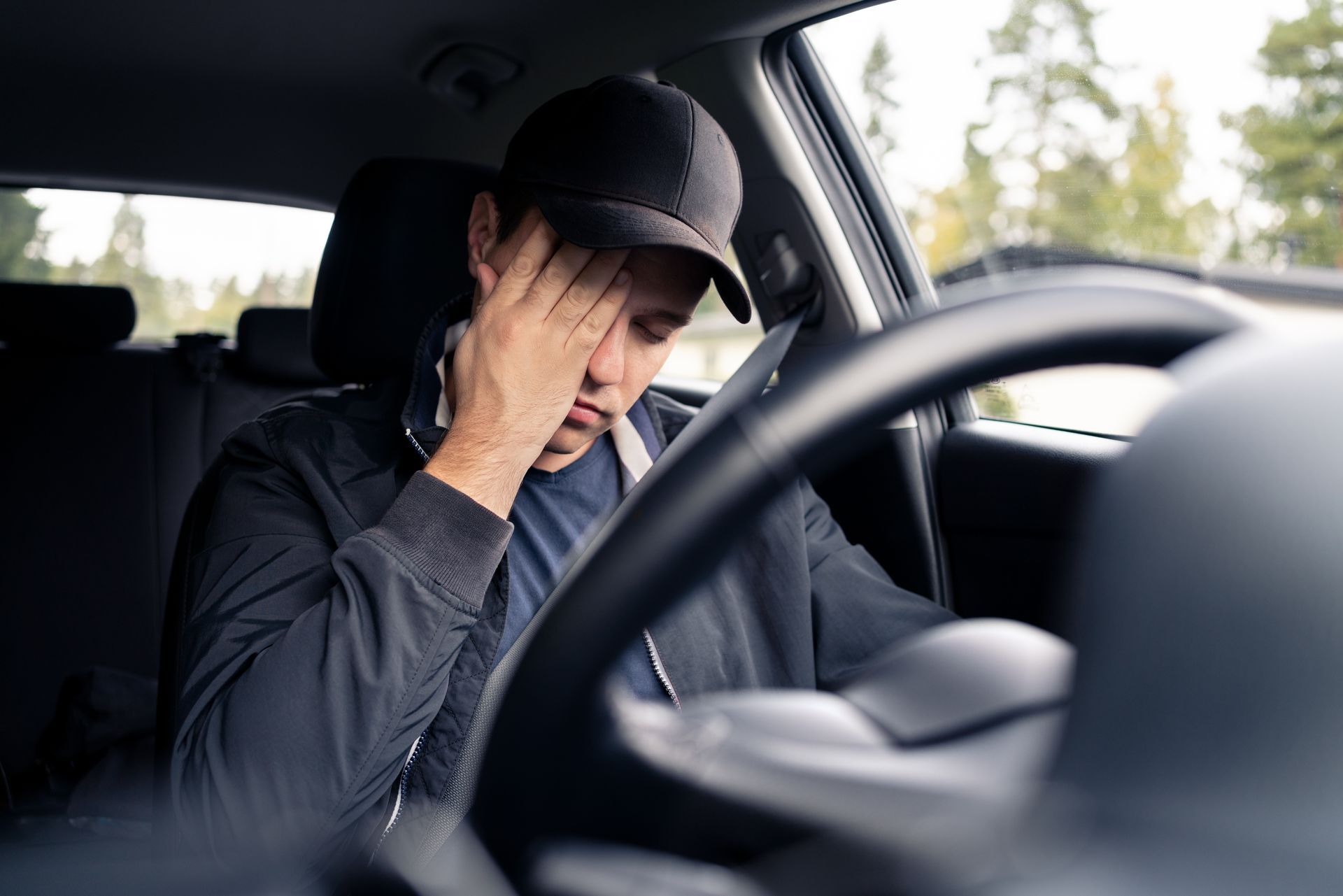
The Fourth of July is one of the busiest travel holidays in Pennsylvania, bringing packed highways, backyard celebrations, fireworks events, concerts, lake trips, and family gatherings across the state. Unfortunately, it is also one of the deadliest weekends of the year for alcohol-related car accidents. Increased alcohol consumption combined with crowded roadways, nighttime driving, and impaired judgment leads to a sharp rise in serious and fatal collisions during Independence Day celebrations.
According to the National Highway Traffic Safety Administration (NHTSA), drunk driving crashes consistently increase during Fourth of July weekend nationwide, with alcohol-impaired drivers responsible for a significant percentage of holiday traffic fatalities. In Pennsylvania, cities like Pittsburgh and Philadelphia often experience heightened enforcement efforts because law enforcement agencies anticipate elevated risks during holiday festivities. Despite public safety campaigns and strict DUI laws, impaired drivers continue putting innocent people at risk every year. Victims injured by drunk drivers frequently face devastating physical injuries, emotional trauma, mounting medical expenses, lost wages, and long-term uncertainty about recovery.
Frischman & Rizza helps Pennsylvania car accident victims understand their legal rights after serious drunk driving crashes and pursue compensation for the financial and emotional harm caused by reckless drivers. Whether the collision occurred after fireworks events, bar gatherings, family parties, or holiday travel, understanding your legal options after a Fourth of July drunk driving accident can help protect your future during an extremely difficult time.
Why Fourth of July Weekend Sees More Drunk Driving Accidents
Fourth of July celebrations often involve alcohol at cookouts, sporting events, bars, restaurants, concerts, and private parties. While many people celebrate responsibly, impaired drivers continue making dangerous decisions that place others at risk on Pennsylvania roads. Summer holiday weekends also increase traffic volume substantially, creating more opportunities for catastrophic crashes involving intoxicated motorists.
Several factors contribute to higher drunk driving crash rates during the Fourth of July weekend:
- Increased alcohol consumption during holiday gatherings
- More nighttime driving after fireworks and celebrations
- Heavy vacation and interstate travel traffic
- Young and inexperienced drivers attending parties
- Reduced reaction times caused by impairment
- Aggressive or reckless driving behaviors
- Distracted driving combined with alcohol use
According to the Centers for Disease Control and Prevention (CDC), alcohol impairment affects judgment, coordination, reaction time, and vision, making it one of the most dangerous driving impairments on the road. Even relatively small amounts of alcohol can significantly reduce a driver’s ability to respond safely to traffic conditions. In Pennsylvania, drivers with a blood alcohol concentration (BAC) of 0.08% or higher are legally considered impaired, though drivers can still cause serious accidents at lower levels of intoxication.
The National Safety Council has repeatedly warned that Fourth of July weekend remains one of the deadliest periods for roadway fatalities in the United States. Pittsburgh highways and surrounding roadways often become especially congested due to fireworks displays, riverfront events, concerts, and travel traffic. Interstate highways such as I-376, I-79, Route 28, and the Pennsylvania Turnpike frequently experience heavy nighttime traffic during holiday celebrations. Impaired drivers navigating these crowded roads at high speeds dramatically increase the risk of severe collisions involving innocent motorists, motorcyclists, bicyclists, and pedestrians.
Drunk driving accidents often involve more catastrophic injuries than standard car crashes because intoxicated drivers frequently speed, ignore traffic signals, drift across lanes, or fail to brake before impact. These high-impact collisions can permanently alter victims’ lives within seconds. Understanding the risks associated with holiday travel and recognizing the signs of impaired driving may help reduce future tragedies, but when drunk driving accidents occur, injured victims deserve to understand the legal protections available under Pennsylvania law.
Serious Injuries Common in Pennsylvania Drunk Driving Crashes
Drunk driving accidents often produce devastating injuries because impaired drivers tend to cause violent, high-speed collisions. Victims may suffer life-changing physical injuries requiring extensive medical treatment, rehabilitation, and long-term care. In many cases, injured individuals face months or years of recovery while struggling with financial hardship and emotional trauma.
Common injuries resulting from Fourth of July drunk driving accidents include:
- Traumatic brain injuries (TBI)
- Spinal cord injuries and paralysis
- Broken bones and orthopedic injuries
- Internal bleeding and organ damage
- Severe burns and lacerations
- Neck and back injuries
- Emotional trauma and PTSD
- Wrongful death fatalities
The emotional effects of drunk driving accidents can be just as serious as physical injuries. Victims often experience anxiety, depression, sleep disruption, fear of driving, and post-traumatic stress symptoms after severe collisions. Family members may also suffer emotional and financial hardship when loved ones require long-term care or are unable to return to work following catastrophic injuries.
Immediate medical treatment is critical after any suspected drunk driving crash. Some injuries, including internal bleeding, concussions, and spinal injuries, may not present symptoms immediately after the collision. Prompt evaluation creates essential medical documentation connecting injuries directly to the accident. Insurance companies frequently examine treatment timelines closely when evaluating Pennsylvania car accident injury claims.
Important steps after a drunk driving accident may include:
- Calling 911 immediately
- Requesting emergency medical assistance
- Cooperating with law enforcement investigations
- Taking photos of vehicle damage and injuries
- Preserving witness contact information
- Following all medical treatment recommendations
- Avoiding statements to insurance adjusters before legal guidance
Police investigations often play a significant role in drunk driving accident claims. Officers may conduct field sobriety tests, obtain breathalyzer or blood test results, review surveillance footage, and interview witnesses to determine whether impairment contributed to the crash. Criminal DUI charges against the at-fault driver may strengthen civil injury claims, though victims can pursue compensation regardless of whether criminal convictions occur.
Frischman & Rizza works with injured victims and families to gather evidence, review accident reports, preserve medical documentation, and build strong claims against negligent drunk drivers.
Because these cases frequently involve severe injuries and long-term damages, early legal guidance can help protect important evidence and prevent insurance companies from minimizing legitimate claims.
Understanding Your Legal Rights After a Drunk Driving Accident
Pennsylvania law allows drunk driving accident victims to pursue compensation for injuries and financial losses caused by negligent drivers. Civil claims are separate from criminal DUI proceedings, meaning victims may seek compensation even while criminal charges are pending or unresolved. A successful injury claim may help cover both immediate and future damages resulting from the crash.
Potential compensation after a Pennsylvania drunk driving accident may include:
- Emergency medical expenses
- Hospitalization and surgery costs
- Rehabilitation and therapy expenses
- Lost wages and reduced earning capacity
- Pain and suffering damages
- Emotional distress compensation
- Property damage losses
- Future medical treatment costs
In especially reckless cases involving intoxicated drivers, punitive damages may also become available under Pennsylvania law. Punitive damages are designed to punish particularly dangerous conduct and discourage similar behavior in the future. Courts may consider factors such as excessive intoxication levels, repeat DUI offenses, or highly reckless driving behavior when evaluating punitive damage claims.
Pennsylvania follows comparative negligence rules, meaning compensation may be reduced if an injured victim shares partial responsibility for the collision. However, insurance companies sometimes attempt to shift blame unfairly even in drunk driving accident cases. Thorough investigations involving accident reconstruction experts, toxicology evidence, witness statements, and surveillance footage may become necessary to establish liability clearly.
Dram shop liability may also apply in certain Pennsylvania drunk driving accident cases. Under Pennsylvania law, bars, restaurants, or establishments that serve alcohol to visibly intoxicated individuals may potentially share responsibility if those individuals later cause serious accidents. These claims can add additional insurance coverage sources for severely injured victims.
Because drunk driving crashes frequently involve catastrophic injuries, long-term financial losses may extend far beyond initial emergency treatment. Victims may require ongoing rehabilitation, future surgeries, home modifications, vocational retraining, or permanent disability accommodations. Properly calculating these future damages is critical before accepting any settlement offer from insurance companies.
Why Legal Representation Matters After a Holiday DUI Crash
Insurance companies often move quickly after serious Fourth of July accidents involving drunk drivers. Adjusters may contact injured victims shortly after collisions and encourage fast settlements before the full extent of injuries becomes known. However, early settlement offers rarely account for long-term medical needs, future lost income, or ongoing emotional trauma.
After a Pennsylvania drunk driving accident, legal representation can help victims:
- Preserve critical accident evidence
- Obtain police and toxicology reports
- Coordinate communication with insurers
- Calculate long-term damages accurately
- Identify additional liable parties
- Protect rights before legal deadlines expire
Pennsylvania law limits the amount of time victims have to file personal injury lawsuits after car accidents. Missing these deadlines can prevent victims from recovering compensation entirely. Early legal guidance also helps ensure evidence remains preserved while witness memories and surveillance footage are still available.
Catastrophic injury cases often require extensive expert analysis involving medical specialists, vocational experts, life-care planners, and accident reconstruction professionals. These experts help establish future care costs and explain the long-term impact injuries may have on employment, independence, and quality of life. Strong evidence and organized documentation frequently improve negotiating leverage with insurance companies and strengthen courtroom claims if litigation becomes necessary.
Frischman & Rizza assists Pennsylvania drunk driving accident victims by investigating crashes, gathering evidence, negotiating with insurers, and pursuing compensation for medical expenses, lost income, pain and suffering, and future damages. While no legal action can undo the trauma caused by an impaired driver, holding negligent parties accountable may help injured victims and families secure financial stability and support during recovery.
Frequently Asked Questions
What should I do immediately after a drunk driving accident in Pennsylvania?
Call 911, seek medical attention, document the scene if possible, preserve witness information, and avoid discussing fault with insurance companies before speaking with an attorney.
Can I file a claim even if the drunk driver faces criminal charges?
Yes. Civil injury claims are separate from criminal DUI proceedings. You may pursue compensation regardless of whether the driver is convicted criminally.
What damages can I recover after a Pennsylvania DUI accident?
Victims may recover compensation for medical bills, lost wages, rehabilitation costs, pain and suffering, emotional distress, property damage, and future medical expenses.
Can bars or restaurants be held responsible for drunk driving crashes?
Possibly. Pennsylvania dram shop laws may allow claims against establishments that served alcohol to visibly intoxicated individuals who later caused accidents.
Why should I speak with a lawyer after a Fourth of July accident?
Drunk driving accidents often involve severe injuries and complex insurance issues. Legal guidance can help protect evidence, calculate damages, and pursue full compensation.
If you or a loved one was injured by a drunk driver over Fourth of July weekend,
Frischman & Rizza can help you understand your legal rights and pursue compensation for your injuries and financial losses. Early action can make an important difference in protecting evidence, preserving claims, and securing the support needed for long-term recovery.