


Hip Injury Car Accident Settlements: What Pittsburgh Victims May Recover
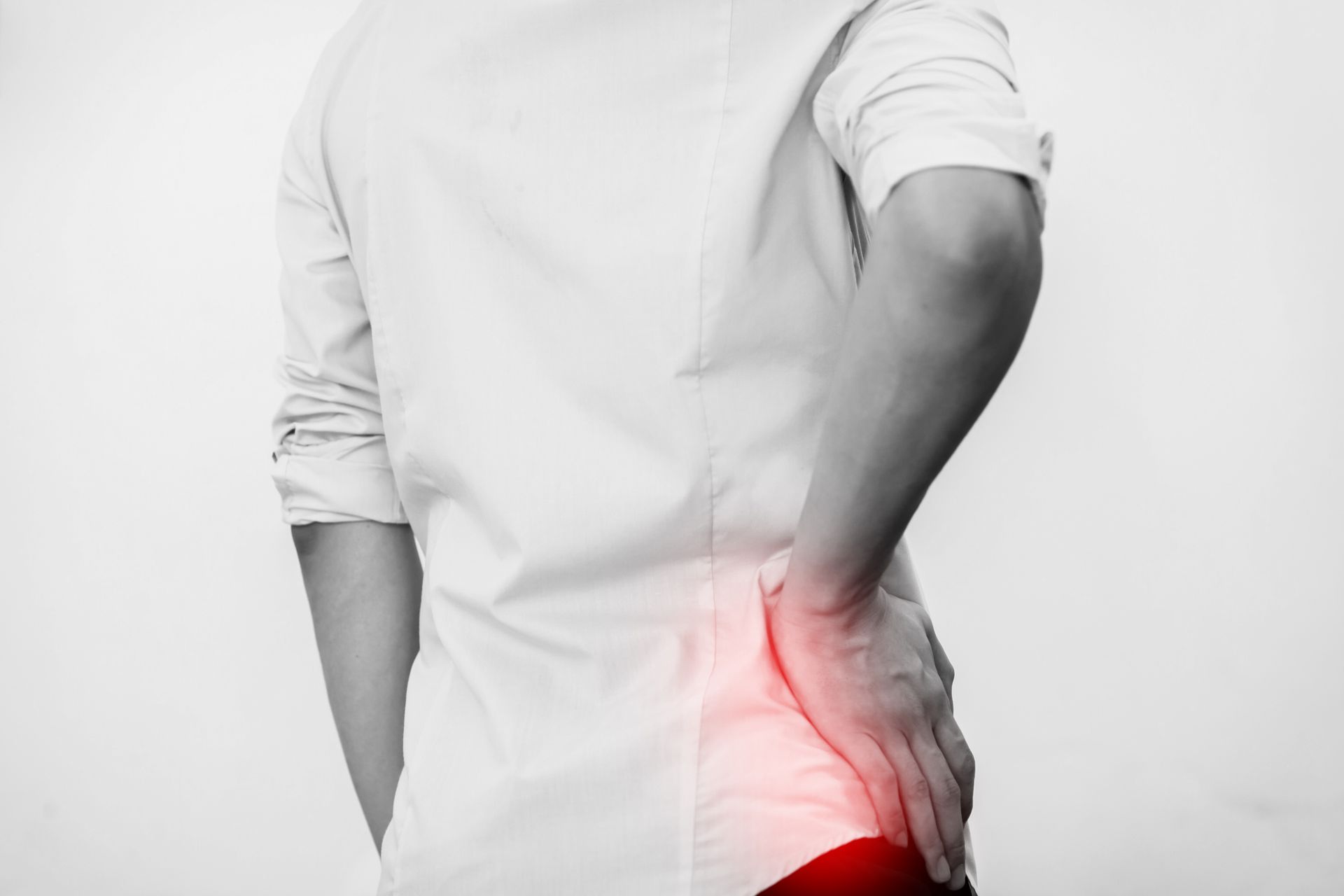
Hip injuries are among the most serious orthopedic injuries that can occur in a car accident. Because the hip joint supports body weight and plays a central role in mobility, injuries to this area can significantly impact a person’s ability to walk, work, and perform everyday activities. For many accident victims in Pittsburgh and throughout Pennsylvania, hip injuries require extensive medical treatment, rehabilitation, and long-term recovery.
When these injuries occur due to another driver’s negligence, Pennsylvania law allows injured individuals to pursue compensation for the medical and financial consequences of the accident. Hip injury settlements often reflect the severity of the injury, the need for surgery, and the long-term effects on a victim’s quality of life.
Understanding how hip injuries occur in vehicle collisions, how they are treated, and how they influence personal injury claims can help accident victims make informed decisions during the recovery process.
Why Hip Injuries Are Common in Car Accidents
During a motor vehicle collision, the body is subjected to powerful forces that can push the hips and pelvis against the seat, door, dashboard, or center console. Even when occupants are properly restrained with seat belts, the sudden deceleration of a crash can place significant stress on the hip joint and surrounding bones.
The hip is a complex ball-and-socket joint connecting the femur (thigh bone) to the pelvis. Because it bears much of the body’s weight, damage to the hip joint can severely affect movement and stability.
High-impact crashes, side collisions, and rollover accidents are particularly likely to cause hip injuries. Drivers and passengers may experience fractures, dislocations, or damage to the cartilage and soft tissues within the joint.
These injuries often require immediate medical care and, in many cases, surgical treatment to restore mobility and prevent long-term complications.
Common Types of Hip Injuries After a Car Accident
Hip injuries from vehicle collisions can vary widely in severity. Some injuries involve fractures to the bones of the hip or pelvis, while others affect the cartilage and soft tissues that stabilize the joint.
Hip fractures are among the most serious injuries, particularly when the femur near the hip joint breaks during the impact. These injuries often require surgical repair and can involve the placement of screws, plates, or artificial joint components.
Dislocations may also occur when the femoral head is forced out of the hip socket during the collision. This type of injury requires immediate medical attention because it can damage surrounding nerves and blood vessels.
Other accident-related hip injuries may include ligament tears, cartilage damage, and inflammation within the joint that leads to chronic pain.
Some of the most common hip injuries seen in car accident cases include:
- Hip fractures involving the femur or pelvis
- Hip dislocations caused by high-impact trauma
- Soft tissue damage to ligaments, cartilage, and muscles around the joint
Even injuries that initially appear moderate can lead to long-term complications such as arthritis or reduced joint mobility.
Symptoms of Hip Injuries After a Car Accident
Hip injuries often produce immediate symptoms, but some victims experience delayed pain or stiffness that worsens in the hours or days after a crash. Swelling, inflammation, and internal tissue damage may gradually increase after the initial trauma.
Pain in the hip area may make it difficult to walk, stand, or sit comfortably. In more severe cases, victims may be unable to bear weight on the affected leg.
Common symptoms of accident-related hip injuries include:
- Severe pain in the hip or groin area
- Difficulty walking or bearing weight
- Limited range of motion in the hip joint
- Swelling or bruising near the hip
These symptoms should always be evaluated by a medical professional. Imaging tests such as X-rays, CT scans, or MRI studies are often necessary to determine the extent of the injury.
Prompt diagnosis is important not only for medical treatment but also for documenting the injury in a personal injury claim.
Medical Treatment and Recovery for Hip Injuries
Treatment for hip injuries depends on the type and severity of the damage. Minor injuries may be treated with rest, physical therapy, and anti-inflammatory medication, while more severe injuries often require surgery.
Hip fracture surgery may involve repairing the bone with hardware such as screws or plates. In more complex cases, a partial or total hip replacement may be necessary.
Recovery from hip surgery can take several months and typically involves physical therapy to restore strength and mobility. Some patients experience lasting limitations that affect their ability to perform physically demanding work.
Doctors often focus on several key goals when treating hip injuries after a car accident:
- Stabilizing the joint and repairing fractures or dislocations
- Restoring mobility through rehabilitation and physical therapy
- Preventing complications such as arthritis or chronic pain
Because hip injuries affect one of the body’s primary weight-bearing joints, long-term recovery and rehabilitation are common.
How Hip Injuries Influence Personal Injury Settlements
Hip injuries frequently result in higher personal injury settlements compared to minor accident injuries. This is largely because they often involve surgery, extended medical care, and long-term physical limitations.
Pennsylvania law allows injured accident victims to pursue compensation for both economic and non-economic damages resulting from a crash caused by another driver’s negligence.
Economic damages typically include medical expenses, rehabilitation costs, and lost wages. Non-economic damages may include pain and suffering, emotional distress, and loss of enjoyment of life.
Several factors can influence the value of a hip injury settlement:
- The severity of the injury and whether surgery was required
- The length of medical treatment and rehabilitation
- Permanent disability or long-term mobility limitations
Insurance companies often evaluate these factors when negotiating settlement offers. Because hip injuries can affect a victim’s ability to work and maintain independence, they are often considered serious injuries under Pennsylvania law.
Pennsylvania’s Choice No-Fault Insurance System
Pennsylvania operates under a choice no-fault insurance system, meaning drivers select either limited tort or full tort coverage when purchasing auto insurance.
Limited tort coverage generally restricts the ability to recover damages for pain and suffering unless the injury qualifies as serious. Full tort coverage allows accident victims to pursue compensation for pain and suffering regardless of injury severity.
Hip fractures and other serious orthopedic injuries frequently qualify as serious injuries because they can cause long-term impairment and require extensive medical treatment.
Determining whether an injury meets the legal definition of serious often requires medical documentation and legal evaluation.
Pennsylvania’s Statute of Limitations for Car Accident Claims
Pennsylvania law generally allows two years from the date of a car accident to file a personal injury lawsuit. This legal deadline is known as the statute of limitations.
If a claim is not filed within this timeframe, the injured person may lose the ability to pursue compensation through the courts.
Because hip injuries often require extensive medical evaluation and treatment, accident victims are typically encouraged to consult with an attorney early in the recovery process. Early legal involvement can help ensure that medical evidence and accident documentation are preserved.
Frequently Asked Questions About Hip Injuries After Car Accidents
How serious are hip injuries after a car accident?
Hip injuries can be very serious because they affect the body’s primary weight-bearing joint and may require surgery or long-term rehabilitation.
Can a car accident cause a hip fracture?
Yes. High-impact collisions can fracture the femur near the hip joint or damage the pelvic bones.
How long does recovery take after a hip injury?
Recovery can take several weeks to several months, depending on the severity of the injury and whether surgery was required.
Can hip injuries increase a personal injury settlement?
Yes. Because hip injuries often require extensive treatment and may lead to long-term mobility issues, they can significantly increase the value of a personal injury claim.
Should I seek medical care if my hip hurts after a crash?
Yes. Any hip pain following a car accident should be evaluated by a medical professional to rule out fractures or joint damage.
Protecting Your Health and Legal Rights After a Car Accident
Hip injuries can have lasting effects on mobility, independence, and overall quality of life. Because the hip joint plays such a critical role in everyday movement, injuries to this area often require extensive treatment and rehabilitation.
For accident victims, seeking prompt medical care is essential for diagnosing fractures, dislocations, or internal joint damage. Early treatment can improve recovery outcomes and help prevent long-term complications.
Legal guidance may also be important when serious injuries occur after a crash. Insurance companies often attempt to minimize the value of claims involving orthopedic injuries, particularly when long-term treatment is required.
Frischman & Rizza represent accident victims throughout Pittsburgh and across Pennsylvania who have suffered serious injuries due to negligent drivers. With extensive experience handling complex injury claims, the firm works to help clients recover compensation for medical expenses, lost income, and the lasting impact of accident-related injuries.