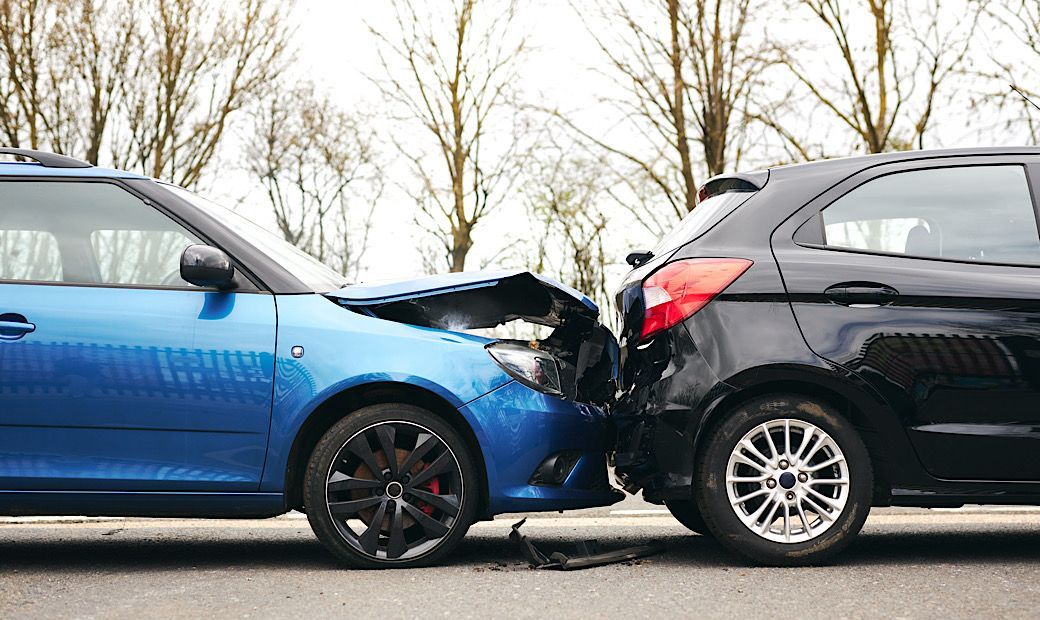


Internal Bleeding After a Car Accident: Symptoms That Require Immediate Care
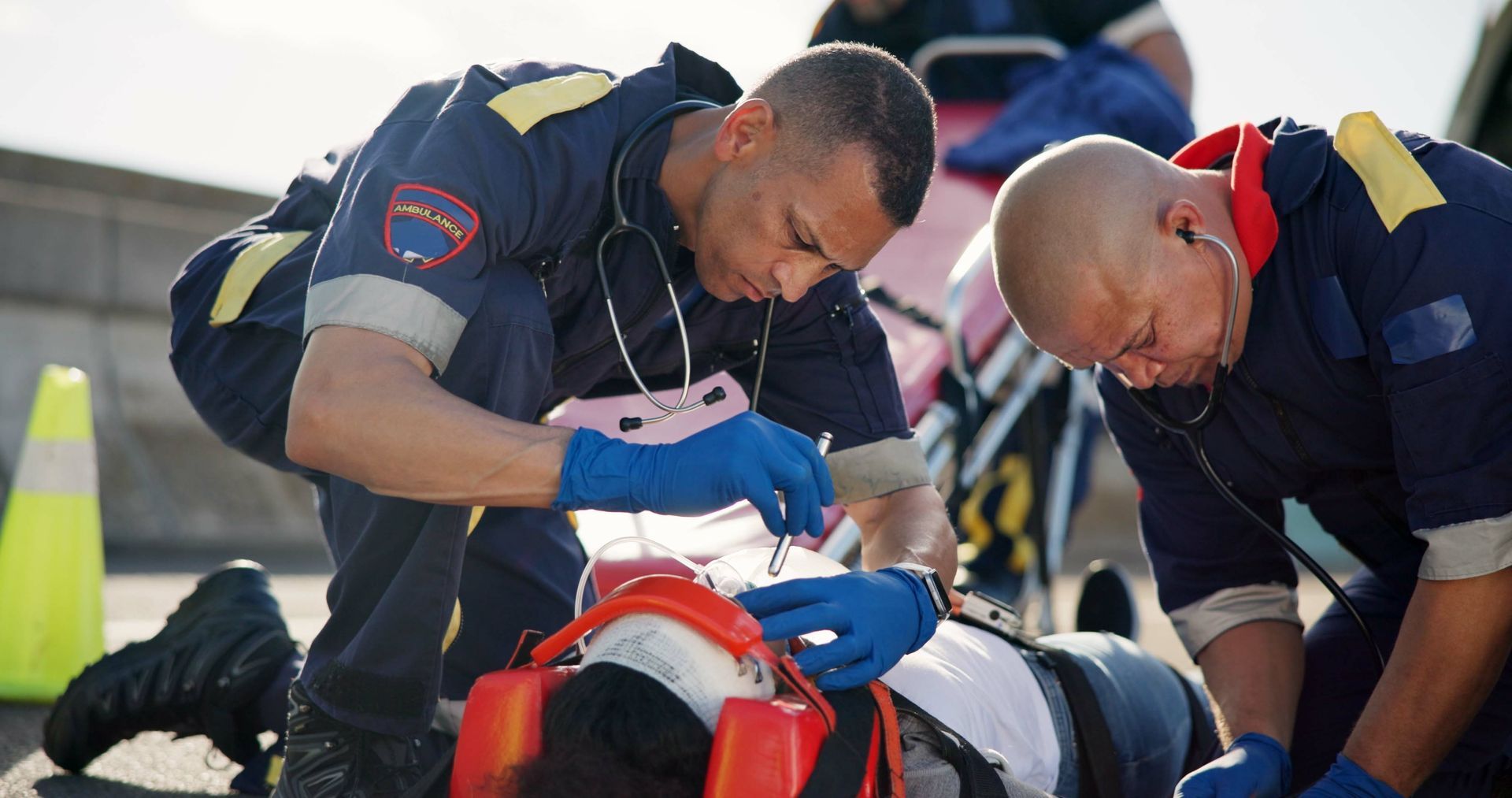
Not every serious injury from a car accident is immediately visible. Some of the most serious injuries occur internally and may not show obvious signs right away. Internal bleeding after a car accident can develop quickly and become life-threatening if it is not diagnosed and treated promptly.
For accident victims in Pittsburgh and throughout Pennsylvania, understanding the warning signs of internal bleeding is critical. Because symptoms may appear gradually, victims sometimes assume they escaped the crash without serious injury. However, delayed internal bleeding can worsen over time and lead to severe medical complications if treatment is delayed.
Recognizing the symptoms, seeking immediate medical care, and documenting the injury are essential steps for protecting both health and legal rights after a collision.
How Car Accidents Can Cause Internal Bleeding
During a vehicle collision, the body is subjected to sudden and powerful forces. Even when occupants are wearing seat belts and airbags deploy properly, the impact can cause blunt force trauma to internal organs and blood vessels.
The abdomen, chest, and head are particularly vulnerable to internal injuries because they contain vital organs and major blood vessels. When these structures are damaged during a crash, bleeding can occur inside the body without any external wounds.
Seat belts, steering wheels, dashboards, and airbags may all contribute to internal trauma depending on the direction and severity of the impact. Side-impact collisions and high-speed crashes often create especially strong forces that increase the risk of internal injury.
Internal bleeding may involve damage to organs such as the liver, spleen, lungs, kidneys, or brain. In some cases, blood vessels themselves are torn or ruptured, allowing blood to accumulate in areas where it cannot easily be seen.
Because these injuries are hidden inside the body, they can become extremely dangerous before the victim realizes something is wrong.
Why Internal Bleeding Is So Dangerous
Internal bleeding is considered a medical emergency because it can rapidly deprive the body of the blood needed to supply oxygen to vital organs. When blood accumulates internally, it may also place pressure on organs and tissues, leading to further damage.
One of the challenges with internal bleeding is that symptoms may initially appear mild. A person may feel tired or slightly dizzy after a crash and assume these symptoms are simply the result of shock or stress.
As bleeding continues, however, the condition can quickly become critical. Loss of blood volume may lead to low blood pressure, organ failure, or shock if treatment is not provided quickly.
Because of these risks, medical professionals recommend seeking evaluation after a car accident even if injuries do not appear severe at first.
Warning Signs of Internal Bleeding After a Crash
Internal bleeding can produce a variety of symptoms depending on where the bleeding occurs and how severe the injury is. Some symptoms may develop within minutes of the accident, while others may appear hours later.
Victims should pay close attention to any unusual physical symptoms that develop after a collision, particularly if those symptoms worsen over time.
Possible signs of internal bleeding include:
- Severe or worsening abdominal pain
- Dizziness, fainting, or weakness
- Unexplained bruising or swelling
- Confusion or difficulty concentrating
Additional symptoms may include nausea, vomiting, shortness of breath, or rapid heartbeat. In more serious cases, victims may lose consciousness or experience signs of shock.
Any of these symptoms should be treated as a medical emergency. Immediate evaluation by emergency medical professionals is essential when internal bleeding is suspected.
Diagnosing Internal Injuries After a Car Accident
Because internal bleeding cannot be seen externally, physicians rely on diagnostic tools to identify the source and severity of the injury. Emergency departments typically begin with a physical examination and review of the patient’s symptoms and accident history.
Imaging tests are often necessary to confirm the diagnosis. CT scans and ultrasounds are commonly used to detect bleeding within the abdomen or chest. These tests allow doctors to visualize internal organs and determine whether blood is accumulating in dangerous areas.
Blood tests may also be used to measure hemoglobin levels and determine whether significant blood loss has occurred.
In some cases, patients may be admitted to the hospital for observation even if initial tests appear normal. Doctors often monitor symptoms for several hours to ensure that delayed bleeding does not develop after the accident.
Treatment Options for Internal Bleeding
Treatment for internal bleeding depends on the location and severity of the injury. Minor bleeding may stop on its own with careful monitoring, while more severe injuries may require surgical intervention.
Doctors often focus on stabilizing the patient and preventing further blood loss. This may involve intravenous fluids, blood transfusions, or medications that help control bleeding.
Common medical treatments for internal bleeding after a car accident may include:
- Emergency surgery to repair damaged organs or blood vessels
- Blood transfusions to replace lost blood
- Hospital monitoring and supportive care
Recovery times vary widely depending on the extent of the injury. Some patients recover within weeks, while others require extended hospitalization and rehabilitation.
Delayed Internal Bleeding and Its Legal Implications
One of the most complicated aspects of internal injuries after a car accident is that symptoms may appear hours or even days later. Delayed internal bleeding can occur when small tears in blood vessels gradually worsen over time.
Insurance companies sometimes attempt to argue that delayed symptoms are unrelated to the accident. However, medical experts recognize that internal injuries may not become immediately apparent.
Because of this, thorough medical documentation is essential. Emergency room records, imaging studies, and physician evaluations can help establish the connection between the accident and the injury. Understanding the role of medical records in malpractice and injury lawsuits can help victims see why preserving this documentation matters.
Delayed injuries can still be included in personal injury claims if medical evidence shows they were caused by the crash.
Pennsylvania’s Choice No-Fault Insurance System
Pennsylvania uses a choice no-fault insurance system, which means drivers choose between limited tort and full tort coverage when purchasing auto insurance.
Limited tort coverage restricts the ability to pursue compensation for pain and suffering unless the injury qualifies as serious. Full tort coverage allows accident victims to seek compensation for pain and suffering regardless of the injury’s severity.
Internal bleeding often qualifies as a serious injury because it may require hospitalization, surgery, and extensive medical treatment.
Determining the type of coverage involved in an accident can significantly affect the types of damages that may be recovered.
Pennsylvania’s Statute of Limitations for Car Accident Claims
Pennsylvania law generally requires personal injury lawsuits to be filed within two years from the date of the accident. This deadline is known as the statute of limitations.
If a lawsuit is not filed within this period, the injured person may lose the ability to pursue compensation through the courts.
Because internal injuries may take time to diagnose, accident victims are often encouraged to seek legal guidance early. Early investigation can help preserve medical records, accident reports, and other evidence needed to support a claim.
Frequently Asked Questions About Internal Bleeding After Car Accidents
Can internal bleeding occur without visible injuries?
Yes. Internal bleeding can occur even when there are no visible cuts or bruises because the damage occurs inside the body.
How long after a car accident can internal bleeding appear?
Symptoms may appear immediately or develop hours or days later, depending on the severity of the injury.
What organs are most commonly affected by internal bleeding after a crash?
The liver, spleen, lungs, kidneys, and brain are among the organs most frequently affected in car accident injuries.
Should I go to the hospital after a car accident even if I feel fine?
Yes. Medical evaluation can detect internal injuries that may not produce symptoms immediately.
Can internal injuries increase the value of a personal injury claim?
Yes. Internal injuries often require extensive treatment and hospitalization, which can significantly increase the value of a claim.
Protecting Your Health and Legal Rights After a Car Accident
Internal bleeding is one of the most serious hidden dangers following a vehicle collision. Because symptoms may develop gradually, many accident victims initially underestimate the severity of their injuries.
Seeking immediate medical care after a crash is one of the most important steps for protecting your health. Early diagnosis allows doctors to identify internal injuries before complications become life-threatening.
Medical documentation is also essential when pursuing compensation for accident-related injuries. Accurate records can help demonstrate how the injury occurred and how it has affected a victim’s life. Understanding the long-term effects of accident injuries is equally important when calculating the full scope of damages.
Frischman & Rizza represent individuals throughout Pittsburgh and across Pennsylvania who have suffered serious injuries due to negligent drivers. By working closely with medical experts and investigators, the firm helps accident victims pursue compensation for medical expenses, lost income, and the lasting impact of serious injuries.