


Pediatric Appendicitis Misdiagnosis: When “Stomach Flu” Is Something More
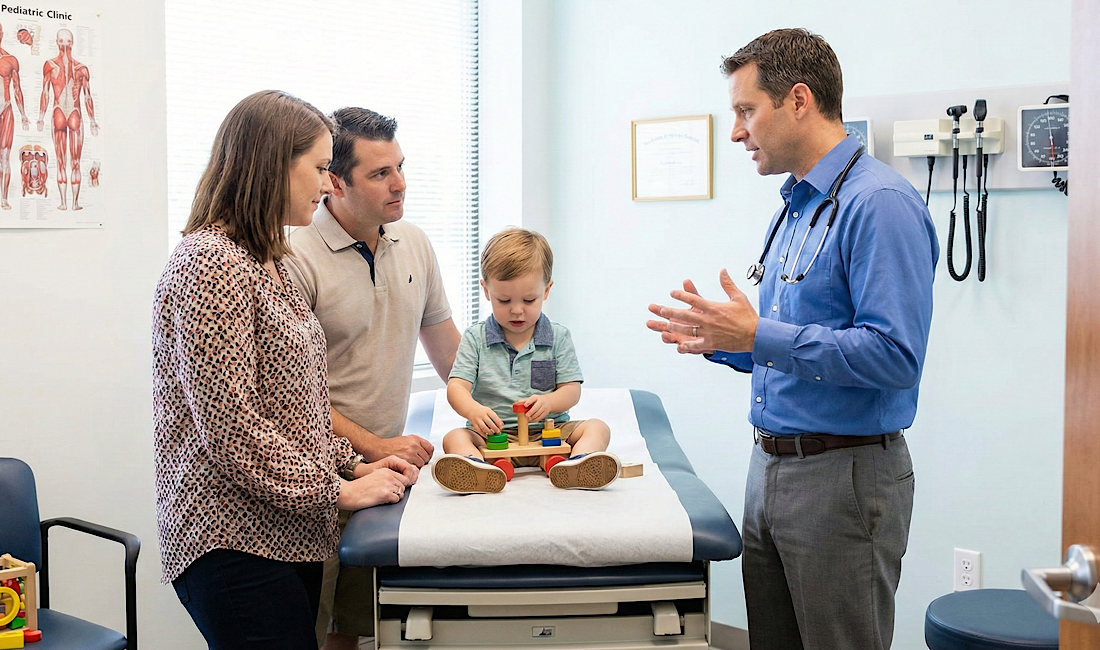
Few things worry parents more than seeing their child doubled over in pain, unable to explain what they feel, or getting worse despite a doctor’s reassurance. Appendicitis—one of the most common surgical emergencies in children—can look deceptively similar to stomach bugs, constipation, or food poisoning. When doctors mistake appendicitis for something harmless, the delay in treatment can lead to ruptured appendix, severe infection, long-term complications, or even life-threatening emergencies. At Frischman & Rizza, located in Pittsburgh, PA, we routinely help families understand whether their child’s worsening illness should have been caught sooner. This guide explains the risks of pediatric appendicitis misdiagnosis, warning signs parents should know, and what legal steps may be available when a child is harmed by diagnostic errors.
Why Appendicitis Is Frequently Misdiagnosed in Children
Appendicitis can be challenging to diagnose even in adults, but in children—especially younger ones—the symptoms may be subtle, inconsistent, or difficult for them to describe. That’s why pediatricians, urgent care providers, and emergency room doctors must use extra caution when evaluating abdominal pain in children. When they overlook key symptoms or fail to order appropriate tests, the consequences can be serious.
Children often get labeled with:
- Stomach flu (viral gastroenteritis)
- Gas or constipation
- Food poisoning
- Anxiety or stress-related stomachaches
- “Just a mild virus” with instructions to go home and rest
While these conditions can cause discomfort, they should not prevent a doctor from ruling out appendicitis—especially if symptoms persist, worsen, or do not fit the typical pattern of a simple stomach bug.
What makes appendicitis particularly dangerous is that a child may not be able to articulate the severity of their pain. A quiet child, a shy child, or one who simply says the stomach “hurts” can easily be underestimated. When parents feel something is wrong but are told it’s nothing serious, appendicitis may go untreated until it becomes an emergency.
Warning Signs of Appendicitis Doctors Should Never Miss
While symptoms vary from child to child, certain red flags should immediately prompt medical providers to consider appendicitis. Parents often notice these changes long before a doctor does. Trusted pediatric misdiagnosis attorneys regularly see cases where these warning signs were present—but dismissed.
Common indicators include:
- Persistent or worsening abdominal pain, often starting near the belly button and moving to the lower right side
- Fever that develops after the onset of stomach pain
- Loss of appetite
- Vomiting not explained by other causes
- Pain that increases with movement, coughing, or touch
- A child who cannot stand upright or refuses to walk normally
- Abdominal bloating or swelling
- Diarrhea or constipation paired with significant discomfort
- Unusual fatigue or irritability
Doctors may misjudge these symptoms as gastrointestinal issues, but appendicitis has its own distinct pattern—especially when symptoms escalate over several hours. When a child shows any combination of these signs, imaging tests such as ultrasound or bloodwork are often necessary to confirm or rule out appendicitis.
Parents should never feel hesitant to advocate for testing. If the pain is increasing or your child’s behavior feels “off,” something more may be going on.
How Misdiagnosis Happens: When Stomach Pain Is Treated Too Lightly
Emergency rooms and pediatric clinics are busy environments, and children often present with vague or overlapping symptoms. Unfortunately, this leads to rushed evaluations and insufficient diagnostic steps. Appendicitis misdiagnosis often happens when:
- The provider fails to perform a thorough abdominal exam
- Abnormal vitals (like fever or high heart rate) are overlooked
- Symptoms are attributed to a virus because it’s “going around”
- The child is discharged without observation or follow-up instructions
- No imaging or bloodwork is ordered, despite red flags
- Providers rely solely on initial symptoms instead of monitoring progression
Parents sometimes report being told things like:
“It’s probably just the flu.”
“Give it 24 hours and see if it gets better.”
“Kids get stomachaches all the time—it’s nothing serious.”
The danger lies in the fact that appendicitis doesn’t always follow textbook presentation. A missed diagnosis can lead to a ruptured appendix, internal infection (peritonitis), abscesses, sepsis, and prolonged hospitalization. Many of these complications are preventable when appendicitis is caught early.
What Happens When the Appendix Ruptures
When appendicitis is not diagnosed in time, the appendix can perforate or rupture—spilling infected material into the abdominal cavity. Children with ruptured appendices often require intensive treatment, including:
- Emergency surgery
- IV antibiotics
- Extended hospital stays
- Potential drainage of abdominal abscesses
- Long-term follow-up care
- Pain management and possible complications
Recovery from a ruptured appendix is dramatically different from a routine appendectomy. Children may miss school, activities, and experience long-lasting physical and emotional distress. Parents may also face significant medical bills and the emotional burden of wondering whether their child’s injury could have been prevented.
When Appendicitis Misdiagnosis Becomes Medical Malpractice
Not every bad outcome is the result of medical malpractice. However, when a child’s symptoms are clear—or when the doctor fails to conduct appropriate tests—legal responsibility may exist. Under Pennsylvania law, medical providers must act with the skill and care that reasonably competent professionals would use in the same situation. If they don’t, and the child is harmed as a result, malpractice may have occurred.
Appendicitis misdiagnosis may be considered malpractice when:
- Doctors dismiss severe abdominal pain without proper testing
- Providers fail to consider appendicitis in high-risk age groups (especially school-age children)
- Symptoms progress but the child is still sent home
- Diagnostic imaging is skipped when symptoms warrant it
- Lab results indicating infection are overlooked
- No follow-up instructions are given when appendicitis is still possible
A pediatric misdiagnosis attorney can review medical records, timelines, symptoms, and provider decisions to determine whether negligence occurred.
How Pennsylvania Law Protects Children After ER Misdiagnosis
When a child suffers harm due to delayed appendicitis diagnosis, Pennsylvania law offers important protections. Parents may pursue a malpractice claim to secure compensation for medical costs, long-term care needs, pain and suffering, and other damages.
Key aspects of Pennsylvania malpractice law include:
- Children typically have more time to file malpractice claims than adults
- Parents may seek compensation for expenses they personally incurred
- Wrongful death actions may be available in tragic cases
- A Certificate of Merit is required, signed by a medical expert supporting the claim
Because pediatric malpractice cases can be complicated, involving multiple providers and rapidly evolving symptoms, early consultation with an attorney is essential.
What Evidence Helps Prove an Appendicitis Misdiagnosis Case
Strong cases are built on careful review of medical records and expert interpretation. Evidence may include:
- ER notes and triage records
- Vital signs and documented symptoms
- Imaging studies (or the lack thereof)
- Bloodwork results
- Communication logs among providers
- Discharge instructions
- Follow-up or return-to-ER documentation
- Testimony from pediatric emergency experts
This evidence helps determine whether delays occurred and how those delays led to complications like rupture or infection.
Compensation Families May Recover
A malpractice claim can cover a range of damages, including:
- Emergency treatment and hospitalization costs
- Surgery and follow-up care
- Future medical needs
- Pain, suffering, and emotional distress
- Scarring or long-term complications
- Parental lost wages
- In severe cases, losses related to wrongful death
Every case is different, and a pediatric misdiagnosis attorney can help families understand what compensation may be available.
Why Families Choose Frischman & Rizza
At Frischman & Rizza, we understand how frightening and overwhelming it is when a child suffers due to medical negligence. Parents trust doctors to take their child’s symptoms seriously, and when that trust is broken, families deserve answers. Our firm has extensive experience handling children’s ER malpractice cases, appendicitis diagnosis errors, and pediatric misdiagnosis claims. We approach each case with the care, clarity, and compassion families need during such challenging times.
What Parents Should Do If They Suspect Misdiagnosis
If your child was diagnosed late—or if you were told it was “just a stomach bug” only to learn the appendix had ruptured—there are important steps you can take:
- Request copies of your child's medical records
- Write down a timeline of symptoms and doctor visits
- Note any comments from providers that seemed dismissive
- Track ongoing medical appointments and recovery challenges
- Contact an experienced malpractice attorney as soon as possible
Early action helps preserve evidence and protect your child’s rights.
A Trusted Partner for Parents Seeking Answers
When a child’s pain is dismissed and appendicitis goes undiagnosed, the consequences can be serious and deeply traumatic for families. If you suspect delayed diagnosis contributed to your child’s complications, you do not have to navigate this alone.
Call Frischman & Rizza at (412) 247-7300 to speak with a pediatric misdiagnosis attorney who understands what you are going through and can help guide your family toward answers, accountability, and recovery.