


Sepsis Misdiagnosis Lawyer in Pennsylvania: Warning Signs Doctors Miss
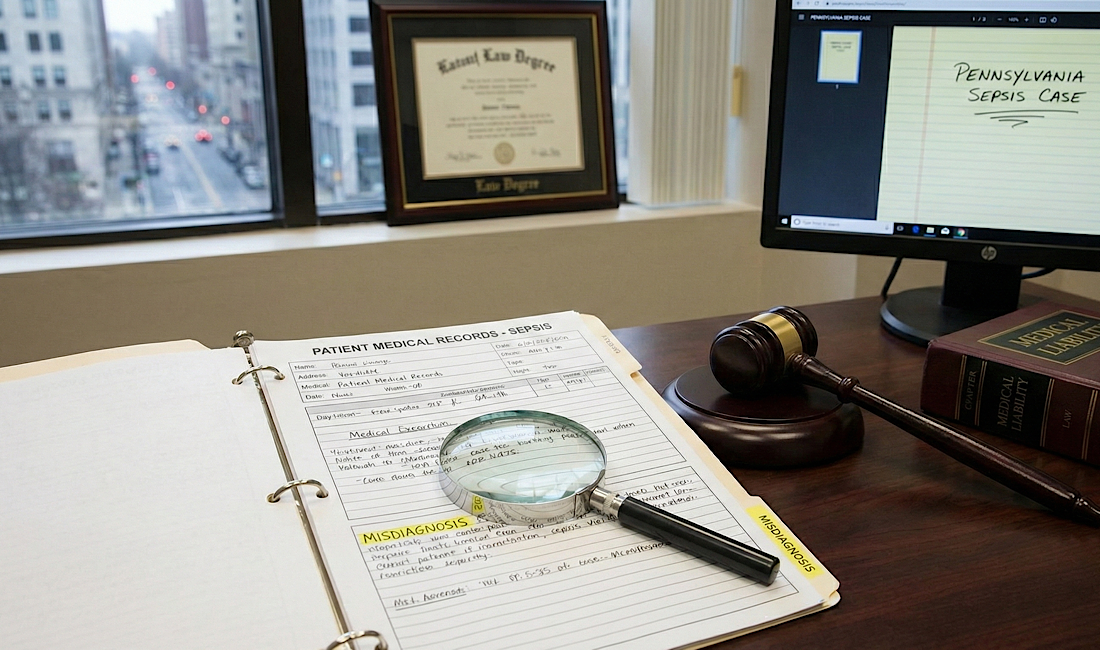
Sepsis is one of the most dangerous medical conditions a patient can face, and when doctors fail to recognize its early warning signs, the consequences can be catastrophic. Because sepsis progresses rapidly, every hour without proper treatment increases the risk of serious injury or death. For patients in Pennsylvania, knowing how delayed diagnosis happens—and what legal rights exist afterward—is essential. At Frischman & Rizza, based in Pittsburgh, PA, we have helped countless individuals and families pursue justice following medical negligence. This guide explains how sepsis misdiagnosis occurs, why emergency rooms often miss critical symptoms, and what steps you can take if you believe your care was delayed.
Understanding Sepsis and Why Immediate Diagnosis Matters
Sepsis occurs when the body mounts an overwhelming and harmful response to an infection. This reaction causes inflammation throughout the body, which can impair organ function, trigger septic shock, and rapidly become life-threatening. Because it can escalate within hours, doctors must act quickly at the first sign of sepsis. Timely treatment typically involves antibiotics, fluids, and aggressive monitoring.
While sepsis is medically complex, there are well-known indicators that should prompt urgent evaluation. Many of these symptoms overlap with common illnesses, which is why medical professionals must be vigilant rather than dismissive.
Some key warning signs include changes in mental status, unstable vital signs, signs of infection, and sudden declines in overall condition. When these appear together, the standard of care requires swift action—not assumptions or delayed testing.
How Sepsis Misdiagnosis Happens in Hospitals and ERs
Despite established guidelines, sepsis continues to be misdiagnosed or overlooked in emergency departments, urgent care centers, and hospital settings. Much of the problem stems from providers underestimating the severity of symptoms or attributing them to routine infections. In fast-paced ERs, where staffing shortages and patient overcrowding are common, subtle or early signs of sepsis may be missed.
Misdiagnosis often happens when:
- Symptoms are brushed off as viral or flu-like
- Providers fail to monitor abnormal vital signs closely
- Lab results suggesting infection are delayed or misinterpreted
- Communication breakdowns occur between nurses and physicians
Older adults, immunocompromised individuals, and patients with chronic medical conditions are particularly vulnerable. Their symptoms may present differently, making early recognition even more critical. When providers fail to consider these risk factors, the delay can quickly lead to severe complications.
Consequences of Delayed Sepsis Diagnosis
When sepsis is not diagnosed promptly, the effects can escalate rapidly. Patients may require intensive care, mechanical ventilation, dialysis, or long-term rehabilitative treatment. Even after leaving the hospital, many survivors struggle with lingering effects such as chronic fatigue, cognitive issues, or mobility limitations.
Some of the most common long-term consequences include:
- Organ damage requiring future medical care
- Difficulty returning to work or daily activities
- Emotional trauma or post-sepsis syndrome
- Prolonged hospitalization and rehabilitation
Families often describe the experience as terrifying because patients can decline so quickly. In the most devastating cases, delayed recognition leads to preventable death. When negligence is involved, Pennsylvania law gives patients and families the right to seek accountability.
When Sepsis Misdiagnosis Becomes Medical Malpractice
Not every adverse outcome qualifies as malpractice. However, when healthcare professionals fail to recognize sepsis despite clear warning signs, the law may view this as a breach of the standard of care. Doctors and nurses are expected to identify red flags, perform appropriate testing, and escalate care when symptoms worsen.
Common failures that may constitute malpractice include:
- Not ordering necessary labs such as blood cultures or lactate levels
- Misreading or dismissing abnormal results
- Delaying antibiotics or IV fluids
- Ignoring concerns reported by patients or family members
- Discharging patients who show signs of systemic infection
- Failing to transfer deteriorating patients to intensive care
A crucial element is determining whether a competent provider in a similar situation would have acted differently. If so, and the delay in treatment caused harm, there may be strong grounds for a malpractice claim.
Patients’ Legal Rights After Sepsis Misdiagnosis in Pennsylvania
Patients harmed by delayed diagnosis have important legal protections under Pennsylvania malpractice law. To pursue a claim, several elements must be established: a duty of care, a breach of that duty, a direct link between the breach and the harm, and measurable damages.
Pennsylvania requires a Certificate of Merit, supported by a medical expert, confirming that negligence likely occurred. This step ensures that cases are backed by credible medical review.
The statute of limitations for medical malpractice claims in Pennsylvania is typically two years from the date you knew—or should have known—that negligence contributed to your injury. Wrongful death claims and cases involving minors may follow different timelines, making early legal review essential.
Evidence Used to Support a Sepsis Misdiagnosis Case
A successful malpractice claim relies on strong documentation and expert analysis. Attorneys often begin by reviewing medical records, including vital sign logs, lab results, nursing assessments, and imaging studies. These details help establish how quickly symptoms appeared and whether the response was appropriate.
Other important evidence may involve:
- The timeline of antibiotics and fluid administration
- Hospital policies on sepsis recognition
- Notes indicating whether symptoms were communicated between staff
- Expert testimony from emergency or critical care specialists
This evidence forms the foundation of a compelling legal argument showing that delays occurred and caused harm.
Compensation Available for Sepsis Misdiagnosis Victims
Patients and families may be entitled to compensation for a variety of losses, including:
- Medical expenses and future treatment needs
- Lost wages or reduced earning capacity
- Pain, suffering, and emotional distress
- Loss of independence or quality of life
- Funeral and burial costs in fatal cases
Because Pennsylvania places no cap on compensatory damages, victims can pursue the full value of their losses.
Why Sepsis Cases Require an Experienced Attorney
Sepsis misdiagnosis cases involve complicated medical questions, multiple decision points, and rapidly changing patient conditions. An experienced malpractice attorney understands how to interpret medical records, identify where the standard of care was breached, and work with expert witnesses to build a persuasive case.
At Frischman & Rizza, we have extensive experience handling cases involving delayed diagnoses, emergency room negligence, and ICU-related malpractice. Our team approaches every case with empathy and determination, helping patients navigate one of the most overwhelming experiences of their lives.
What to Do If You Suspect Sepsis Was Missed or Misdiagnosed
If you believe sepsis was not recognized in time, taking the right steps now is important. Begin by requesting your medical records and documenting your symptoms, conversations with healthcare providers, and any signs that were ignored or dismissed. Keep track of ongoing medical appointments and challenges you face during recovery.
Consulting with an attorney early can help protect crucial evidence and determine whether you may have a valid claim. A legal review may reveal whether the delay in diagnosis and treatment contributed to your injury.
Your Path to Answers and Accountability Starts Here
Sepsis misdiagnosis can change a patient’s life in just hours, leaving physical, emotional, and financial consequences that last long after hospitalization. If warning signs were missed and treatment was delayed, you deserve answers—and a legal advocate who will fight for your recovery.
Contact Frischman & Rizza today at (412) 247-7300 to speak with an experienced sepsis misdiagnosis lawyer who can evaluate your case, explain your rights, and help you pursue justice and accountability.