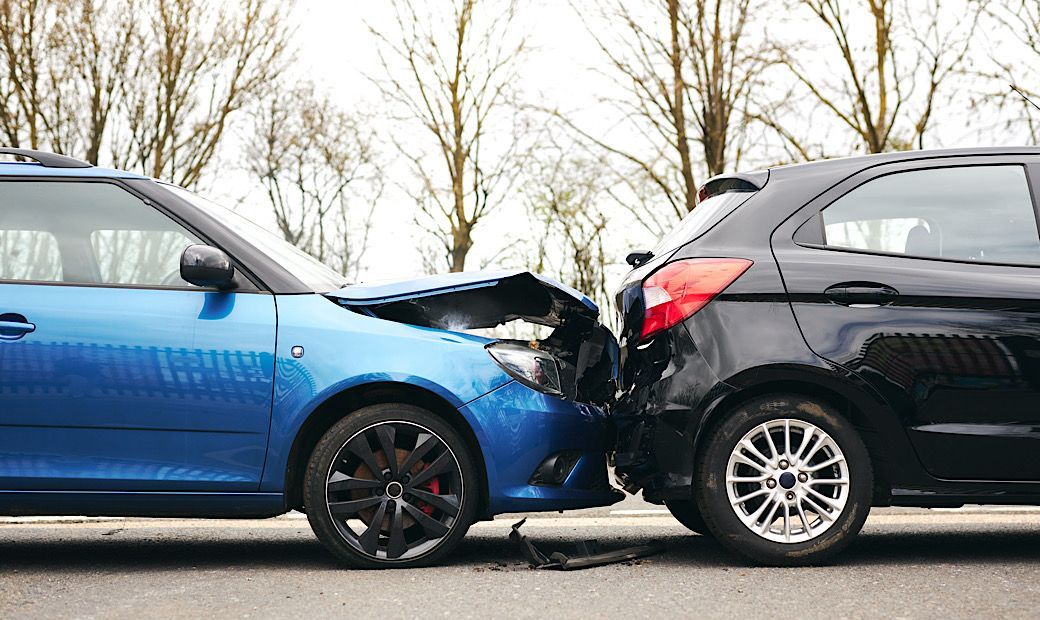


Rideshare (Uber/Lyft) Accidents in Pittsburgh: Insurance Layers Explained
Rideshare services like Uber and Lyft have become part of daily life for city and suburban riders throughout Pittsburgh, PA. While these services offer convenience, accidents involving rideshare vehicles introduce legal and insurance complexities that many injured passengers do not expect. Unlike traditional car accidents, rideshare crashes involve multiple insurance layers that depend on the driver’s status at the exact moment of the collision.
Understanding how Uber and Lyft insurance works is essential for securing proper compensation after a crash. Without clear guidance, injured riders often face delays, denials, or undervalued claims. A clear explanation of these insurance layers can help accident victims protect their rights and avoid common pitfalls.
Why Rideshare Accidents Are Different From Regular Car Crashes
In a typical auto accident, one personal auto insurance policy applies. In a rideshare accident, coverage changes depending on whether the driver was offline, waiting for a ride request, or actively transporting a passenger. Each phase triggers different insurance limits and responsibilities.
Insurance companies often dispute coverage by arguing over timing, app status, and fault. These disputes can significantly delay compensation for medical bills, lost income, and pain and suffering.
The Three Insurance Periods in Uber and Lyft Accidents
Rideshare insurance is divided into three distinct periods. Identifying the correct one is the foundation of an Uber accident claim in PA.
Period 1: App On, No Ride Accepted
When a driver is logged into the app but has not accepted a ride, limited liability coverage applies. Uber and Lyft typically provide contingent coverage only if the driver’s personal insurance denies the claim.
Period 2: Ride Accepted, En Route to Passenger
Once a driver accepts a ride request, higher commercial insurance limits apply. This period begins before the passenger enters the vehicle.
Period 3: Passenger in Vehicle
The highest level of coverage applies when a passenger is inside the rideshare vehicle. This phase generally offers up to $1 million in liability coverage.
Each period carries different requirements, exclusions, and potential disputes.
How Coverage Applies to Injured Passengers
Passengers injured during an Uber or Lyft ride are usually covered under the highest insurance limits. However, insurance carriers may still attempt to minimize payouts by disputing fault or questioning injury severity.
Medical documentation, accident timing, and driver app data all play a role in proving coverage. Even when liability seems clear, claims can stall without a complete evidentiary record.
When Other Drivers Are at Fault
Not all rideshare accidents are caused by Uber or Lyft drivers. When another motorist causes the crash, that driver’s insurance becomes the primary source of compensation. Rideshare coverage may apply secondarily if damages exceed available limits.
These layered claims often require coordination between multiple insurers, each attempting to shift responsibility.
A Practical Coverage Walkthrough
To clarify how insurance layers work, consider this simplified scenario:
- A Lyft driver accepts a ride in downtown Pittsburgh
- While en route to the passenger, another vehicle runs a red light
- The Lyft driver is struck and sustains injuries
In this case, the at-fault driver’s insurance applies first. Lyft’s commercial policy may supplement coverage if damages exceed the at-fault driver’s limits. Proper documentation of the ride status is critical to unlocking the correct coverage.
Common Challenges in Rideshare Injury Claims
Rideshare accident claims are frequently delayed by technical disputes. Insurance companies often request app screenshots, trip logs, and electronic data to verify coverage periods.
Common challenges include:
- Disputes over whether the app was active
- Conflicting insurance policy language
- Delays in obtaining digital trip records
Without timely evidence preservation, claims may be undervalued or denied entirely.
Compensation Available After a Rideshare Accident
A successful Lyft injury lawsuit or Uber accident claim PA may include compensation for both economic and non-economic damages. These damages reflect not just immediate losses but long-term consequences.
Recoverable damages may include:
- Medical expenses and future treatment
- Lost wages and reduced earning capacity
- Pain, suffering, and emotional distress
Each category must be supported by documentation and, in some cases, expert testimony.
Insurance Layer Quick-Check
The extent of insurance coverage following an accident depends heavily on the driver’s digital status at the moment of impact. If the app is off, the driver is considered to be on personal time, meaning their personal insurance policy is the primary source of coverage.
Once the app is turned on but no ride has been accepted, Uber or Lyft typically provide limited liability coverage to bridge the gap. However, the most significant protection occurs when a ride is accepted or a passenger is onboard, at which point the companies' full commercial policies (often up to $1M) are triggered to cover damages.
Frequently Asked Questions
Does Uber or Lyft automatically pay medical bills after an accident?
No. Claims must be submitted and coverage eligibility proven.
Can a rideshare passenger sue Uber or Lyft directly?
Liability depends on circumstances, but claims typically involve insurance policies rather than direct lawsuits.
What if the rideshare driver was partially at fault?
Pennsylvania’s comparative negligence rules may still allow compensation.
Are suburban rideshare accidents treated differently than city crashes?
No. Coverage rules apply statewide in Pennsylvania.
How long does a rideshare accident claim usually take?
Timelines vary depending on injury severity, evidence, and insurance disputes.
Why Legal Guidance Matters in Rideshare Accidents
Rideshare insurance policies are designed to limit exposure, not simplify recovery for injured riders. Understanding policy language, coverage triggers, and insurer tactics requires experience. Early legal review helps identify the correct insurance layer, preserve digital evidence, and prevent insurers from shifting blame.
For injured riders juggling medical recovery and financial stress, structured legal guidance brings clarity to an otherwise confusing process.
Take Action After a Rideshare Accident in Pittsburgh, PA
Rideshare accidents should not leave injured passengers navigating insurance layers alone. Full compensation depends on identifying the correct coverage, documenting injuries, and responding effectively to insurer challenges. Frischman & Rizza helps city and suburban riders pursue compensation after Uber and Lyft accidents in Pittsburgh, PA.
Do not let insurance complexity delay recovery. Call Frischman & Rizza at (412) 247-7300 today to schedule a confidential consultation with a rideshare accident lawyer Pittsburgh residents trust for clear guidance and strong advocacy.