

Traumatic Brain Injury After a Crash: From ER Records to Expert Proof
A traumatic brain injury following a car accident is one of the most complex injuries to diagnose, document, and legally prove. For auto crash victims in Pittsburgh, PA, the effects of a head injury may not be fully understood for weeks or even months after the collision. Symptoms can be subtle, progressive, and life-altering, making the legal process far more involved than a typical injury claim. A well-built traumatic brain injury claim relies on medical records, expert testimony, and crash evidence working together to show the full scope of harm.
Unlike visible injuries, brain trauma often unfolds over time. Victims may initially walk away from a crash believing they are unharmed, only to experience worsening cognitive, emotional, or physical symptoms later. This delay creates challenges with insurance companies that frequently argue the injury is unrelated or exaggerated. Understanding how TBI cases are constructed helps injured individuals protect their rights and pursue full compensation after serious collisions such as car accidents.
Why Traumatic Brain Injuries Are Frequently Underdiagnosed
Emergency rooms are designed to address immediate threats to life. In many auto accident head injury cases, providers focus on fractures, internal bleeding, or spinal trauma. Mild to moderate traumatic brain injuries may not appear on initial CT scans, leading to minimal documentation.
Early symptoms such as confusion, dizziness, nausea, or sensitivity to light are sometimes dismissed as temporary. However, these signs may represent underlying brain trauma that worsens as swelling develops or cognitive demands increase during daily life. When early symptoms are not fully documented, insurance carriers often use that gap to dispute the legitimacy of a traumatic brain injury claim.
This makes early and accurate medical reporting critical, even when symptoms appear manageable at first.
How Emergency Room Records Shape a TBI Claim
ER records form the foundation of most car accident TBI lawyer evaluations. Even short notations can later become decisive evidence. A single mention of loss of consciousness, disorientation, or headache can establish that the brain was affected by the crash.
Important ER details often include:
- Glasgow Coma Scale scores reflecting neurological status
- Observations from nurses regarding confusion or delayed responses
- Patient complaints recorded during triage
- Imaging results, even when scans appear normal
These records help establish a timeline linking the auto accident head injury directly to the traumatic brain injury. Without this foundation, claims become more difficult to prove as time passes.
The Importance of Follow-Up Medical Care
Traumatic brain injuries rarely resolve on their own without monitoring and treatment. Follow-up care with neurologists, neuropsychologists, and rehabilitation specialists provides critical documentation of how symptoms evolve.
As patients resume work, school, or caregiving responsibilities, deficits often become more apparent. Memory loss, impaired concentration, emotional instability, and chronic fatigue can disrupt daily functioning. Ongoing treatment records demonstrate that the injury is not temporary and that it impacts quality of life.
From a legal perspective, consistent medical care strengthens causation and damages. Gaps in treatment are frequently exploited by insurers to argue recovery or lack of seriousness.
Expert Testimony and Proving Brain Injury Severity
Expert testimony is a cornerstone of a traumatic brain injury claim. Medical experts translate complex neurological data into clear explanations for insurance adjusters, judges, or juries.
Neurologists may testify about brain function and injury mechanisms. Neuropsychologists evaluate cognitive deficits through standardized testing. Rehabilitation specialists assess long-term care needs and functional limitations. Together, these experts provide objective proof that symptoms are real, measurable, and crash-related.
Expert opinions are particularly important when imaging results appear normal. Many TBIs involve microscopic damage that does not show up on standard scans but still produces profound impairment. In complex injury cases, the role of expert witnesses in medical malpractice cases often provides a helpful comparison for understanding how specialized testimony can clarify medical evidence.
Crash Evidence That Supports Medical Findings
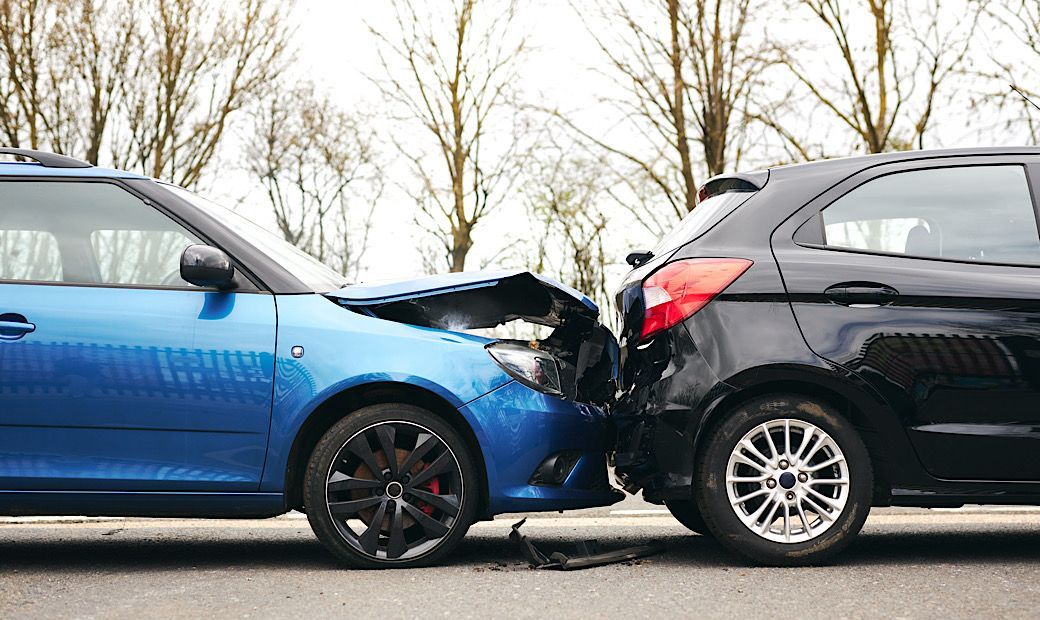
Medical proof alone is often not enough. Crash evidence helps demonstrate that the forces involved were sufficient to cause a traumatic brain injury. Contrary to popular belief, TBIs do not require high-speed collisions or direct head impact.
Sudden acceleration and deceleration can cause the brain to move violently within the skull. Whiplash-style motion alone can lead to concussive or diffuse axonal injuries.
Supporting crash evidence may include:
- Vehicle damage photographs and repair estimates
- Police crash reports documenting impact severity
- Event data recorder information
- Witness statements describing the collision
When crash dynamics align with medical findings, traumatic brain injury claims become significantly stronger.
Long-Term Consequences of Auto Accident Brain Injuries
Traumatic brain injuries can affect every aspect of life. Many crash victims experience long-term or permanent changes that go far beyond initial medical bills. Cognitive impairment may limit career advancement or eliminate employment entirely. Emotional changes can strain relationships and increase the risk of depression or anxiety.
Physical symptoms such as chronic headaches, balance problems, or vision issues may persist indefinitely. These consequences must be fully evaluated to ensure compensation reflects future losses, not just immediate treatment costs.
A comprehensive traumatic brain injury claim accounts for medical expenses, lost earning capacity, pain and suffering, and the cost of future care. Victims coping with serious injuries may also face broader challenges associated with the long-term effects of accident injuries.
How Insurance Companies Challenge TBI Claims
Insurance carriers routinely challenge auto accident head injury claims due to their subjective nature. Common defense arguments include delayed symptom onset, lack of imaging evidence, and pre-existing conditions.
To counter these tactics, claims must be built methodically. Consistent medical records, expert evaluations, and crash analysis create a cohesive narrative that is difficult to refute. Early legal involvement helps anticipate and neutralize insurer strategies before they undermine the claim. Victims should also understand their legal rights and remedies when negligence causes harm, particularly when insurers attempt to minimize legitimate injuries.
Evidence Overview for TBI Claims
Building a compelling case for a Traumatic Brain Injury (TBI) requires a multi-layered approach to evidence, beginning with ER and Medical Records to establish a clear timeline of early symptoms and clinical progression.
To bridge the gap between medical data and legal proof, Expert Testimony is utilized to provide specialized insight into the severity of the injury, its long-term causation, and the anticipated future impact on the victim's life. Finally, Crash Evidence serves as a vital physical foundation, demonstrating that the sheer force of the impact was sufficient to cause significant neurological damage.
Frequently Asked Questions
Can a traumatic brain injury occur without hitting the head?
Yes. Rapid movement alone can cause the brain to collide with the skull internally.
Why do TBI symptoms sometimes appear days or weeks later?
Swelling, inflammation, and cognitive strain can reveal deficits over time.
Are mild TBIs taken seriously in legal claims?
Yes. Even mild brain injuries can cause lasting impairment when properly documented.
What role does neuropsychological testing play?
It provides objective measurement of cognitive deficits that imaging may not detect.
How soon should a car accident TBI lawyer be contacted?
As early as possible to preserve evidence and coordinate expert evaluation.
Why Timing and Strategy Matter
Traumatic brain injury claims are not built overnight. They require careful coordination of medical treatment, expert analysis, and evidence preservation. Delays can result in lost records, fading witness memories, and weakened causation arguments. Early legal strategy ensures that the full scope of injury is identified and documented before insurers attempt to minimize the claim.
For crash victims struggling with daily symptoms, experienced legal guidance provides structure and advocacy during an overwhelming time.
Take Action After a Traumatic Brain Injury in Pittsburgh, PA
A traumatic brain injury after a car accident demands serious attention and thorough legal preparation. Compensation should reflect not only current medical bills but the long-term impact on health, work, and independence. Frischman & Rizza helps auto crash victims build traumatic brain injury claims supported by medical records, expert proof, and crash evidence. Their Pittsburgh auto injury attorneys work to ensure that accident victims receive the legal support necessary to pursue full recovery.
Protect the right to full compensation. Call Frischman & Rizza in Pittsburgh, PA at (412) 247-7300 today to schedule a confidential consultation with a car accident TBI lawyer and take the next step toward recovery and accountability.