


Justice After Tragedy: How to File a Wrongful Death Lawsuit in Pennsylvania
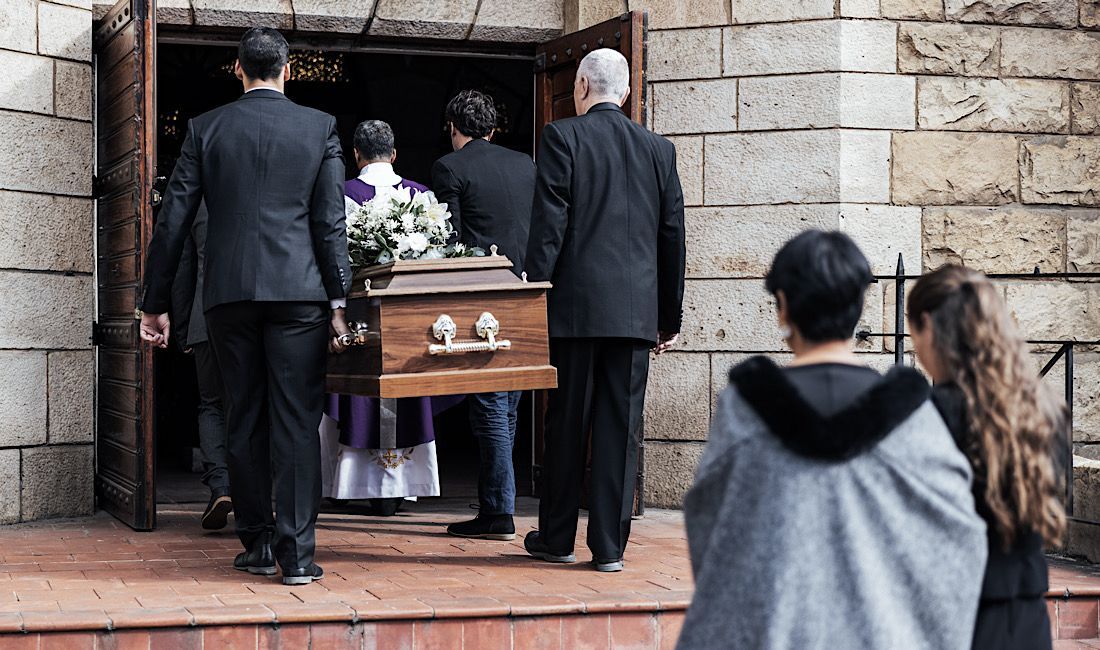
Autumn in Pennsylvania is often marked by reflection—brisk air, quiet evenings, and moments of gathering. But for families who’ve lost someone unexpectedly due to negligence, fall becomes something else entirely: a season of sorrow, legal uncertainty, and painful firsts. Whether it’s the first Thanksgiving with an empty chair or the quiet after a court date, grief doesn't pause with the changing leaves.
If your loved one’s death was caused by someone else’s mistake—on the road, in a hospital, at work, or anywhere negligence played a role—you may have the legal right to file a wrongful death claim in Pennsylvania. While no amount of compensation can replace the person you lost, a civil lawsuit can offer justice, financial stability, and a way forward.
This gentle, yet practical guide from Frischman & Rizza explains your options, answers difficult questions, and shows you how to take next steps when you're ready.
What Is a Wrongful Death Claim in Pennsylvania?
Under Pennsylvania law, a wrongful death claim can be filed when a person dies due to someone else’s negligent, reckless, or intentional actions. These claims are civil—not criminal—and are designed to compensate surviving family members for the personal and financial losses caused by that death.
Some of the most common causes of wrongful death include:
- Fatal car or motorcycle accidents caused by reckless drivers
- Medical errors, surgical mistakes, or failure to diagnose
- Nursing home abuse or neglect
- Defective products or medications
- Workplace accidents or industrial failures
- Fatal injuries on unsafe premises
You don’t have to prove intent to harm—only that the at-fault party failed in their duty of care and that this failure led directly to your loved one’s death.
Who Can File a Lawsuit After a Loved One's Death?
In Pennsylvania, the executor or personal representative of the deceased’s estate is typically the person who files a wrongful death lawsuit. This representative may be named in the deceased’s will or appointed by the court.
If no claim is filed within six months of the death, any eligible beneficiary—such as a spouse, child, or parent—can bring the case on behalf of all entitled parties.
Eligible beneficiaries may include:
- Spouse or domestic partner
- Children (biological or adopted)
- Parents of the deceased
- Other financial dependents, in rare cases
What Damages Can Families Recover?
A wrongful death claim isn’t just about financial restitution—it’s about dignity, closure, and accountability. The compensation recovered may help cover the past, present, and future impact of your loved one’s absence.
Damages may include:
- Funeral and burial costs
- Medical expenses related to the final injury or illness
- Lost future income and benefits
- Loss of companionship, guidance, and emotional support
- Pain and suffering experienced by the deceased before death
- Loss of household services, child-rearing, or care responsibilities
In certain cases—especially those involving gross negligence or intentional misconduct—Pennsylvania courts may award punitive damages, designed to punish and deter.
Fall Brings New Legal Pressures
While grief doesn't follow a calendar, legal timelines do. And the fall season introduces unique legal challenges for many grieving families:
- Statutes of limitation may expire as the end of the year approaches
- Insurance deadlines and claim responses often tighten during Q4
- Holiday schedules can slow court filings, mediations, and settlements
- Emotional distractions can delay much-needed legal consultation
At Frischman & Rizza, we gently guide families through these pressures, ensuring no important date is missed and no opportunity for justice is lost.
FAQs: Wrongful Death Lawsuits in Pennsylvania
How long do I have to file a wrongful death lawsuit in PA?
Pennsylvania law allows two years from the date of death to file a claim. Early action is critical to preserve evidence and maximize your options.
Do I need to go to trial?
Not always. Many cases resolve through settlement. However, we prepare every case thoroughly in the event trial becomes necessary to pursue full justice.
What if the person responsible is already facing criminal charges?
You can still file a civil wrongful death lawsuit. Criminal cases focus on punishment; civil cases focus on compensation for your loss.
Can I afford a wrongful death lawyer?
Yes. At Frischman & Rizza, we work on a contingency basis—you pay nothing unless we secure compensation for you.
How long does the process take?
Every case is different. Some resolve in months; others may take longer depending on complexity, insurance disputes, or court availability.
Your Loss Deserves More Than Silence
The fall season can amplify absence. You’re surrounded by reminders of togetherness—while holding the weight of a loss that never should have happened. In these moments, your grief deserves legal recognition, and your family deserves a voice.
At Frischman & Rizza, we understand the pain and uncertainty that follow a preventable death. Our team is committed to honoring your loved one’s story, uncovering the truth, and fighting for the justice your family deserves. We listen. We investigate. And we act—always with compassion and purpose.
Call our Pittsburgh office at (412) 247-7300 to schedule a free, private consultation. You don’t have to make every decision today. But when you’re ready, we’ll be here—with strength, experience, and understanding.